Meta description: Wondering if stone-coated metal roof tiles are worth your money? Learn the pros, cons, lifespan, cost comparison, and who gets the best return on this long-term roofing investment.
If you are planning a new home build, roof replacement, or renovation, one big question always comes up: Is stone-coated metal roof tile a smart investment?
Many homeowners and builders hesitate because its upfront price is higher than asphalt shingles. But roofing is not just a short-term purchase — it protects your property value for decades. To make the right call, we need to look beyond the initial invoice and calculate the full lifecycle value, weather performance, maintenance burden, and property resale benefits of stone-coated metal roofing.
What Exactly Is Stone-Coated Metal Roof Tile?
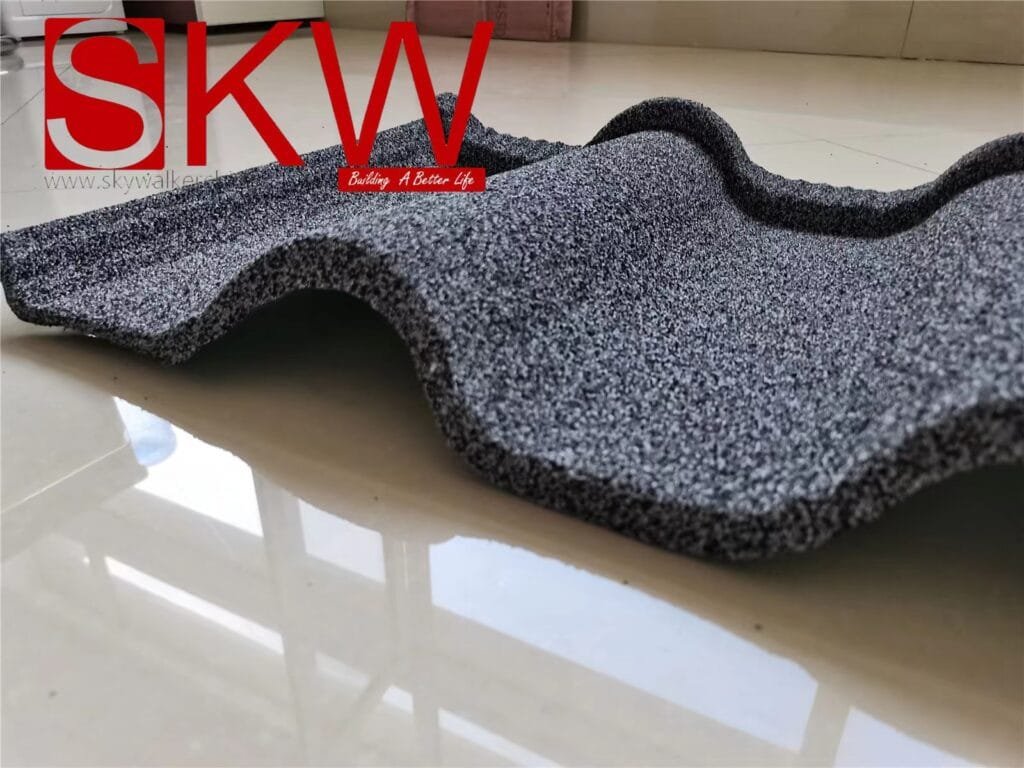
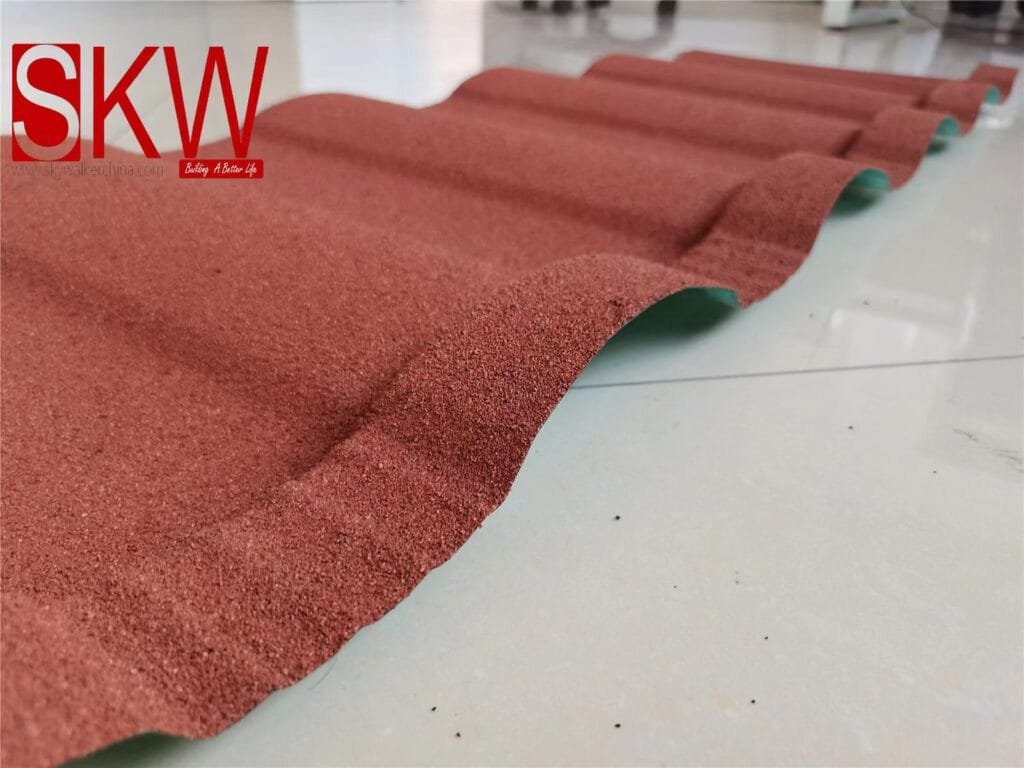
Stone-coated metal tiles are made from high-strength galvalume steel as the core substrate, covered with durable acrylic binders and natural basalt stone granules. The stone layer does more than create a classic tile or shake appearance: it blocks UV radiation, reduces rain noise, and shields the steel base from scratches and corrosion.
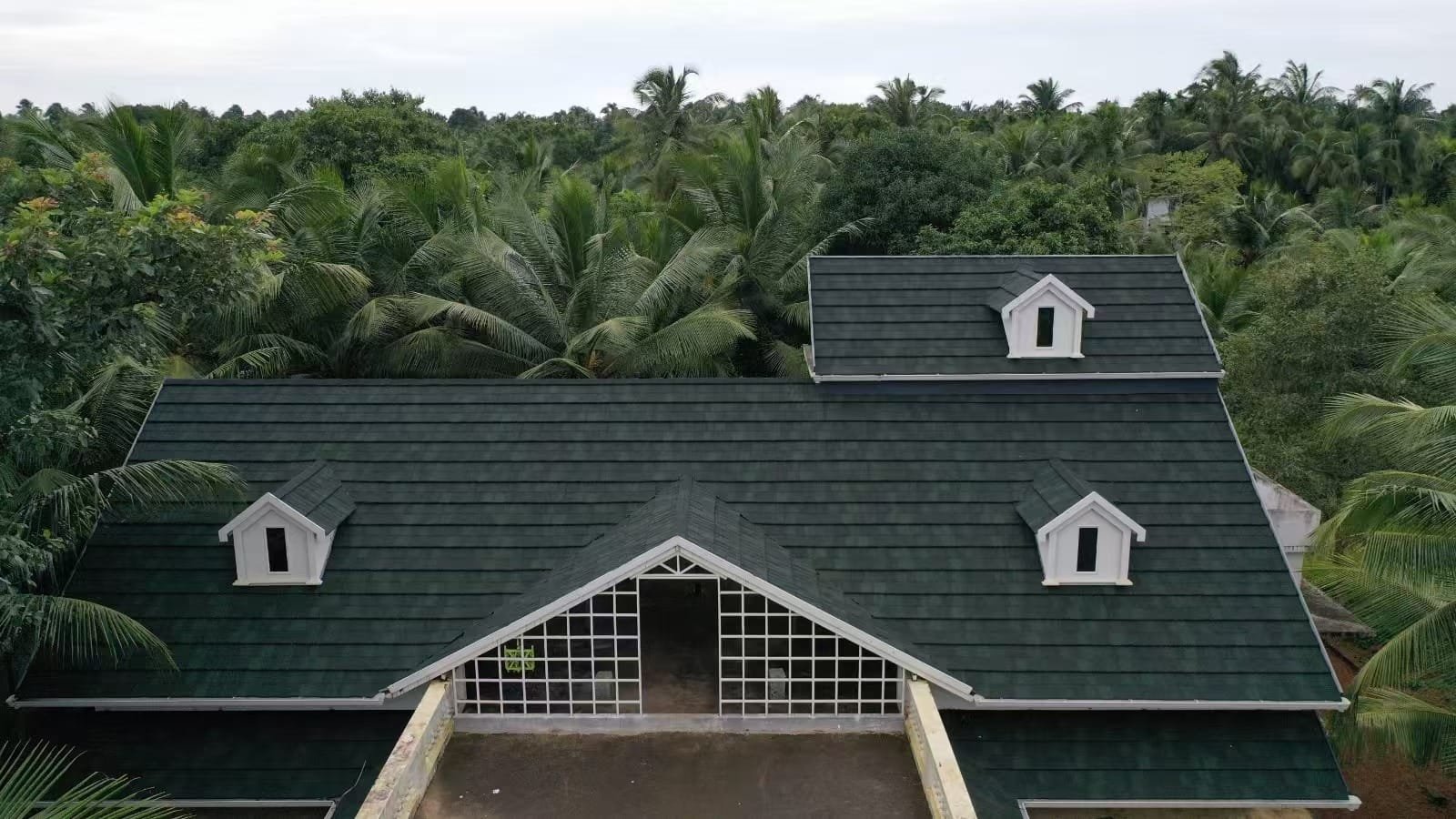
It captures the premium look of clay or concrete roof tiles while remaining far lighter, making it popular for villas, residential houses, resort buildings, and old-home re-roofing projects across tropical, coastal, and storm-prone regions.
The Upsides That Boost Its Investment Value
1. Extra-long service life cuts repeated replacement costs
Standard asphalt shingles only last 15–20 years. That means you will pay for full roof replacement two or even three times within a 50-year window. High-quality stone-coated metal tiles can serve 40–70 years, backed by long manufacturer warranties of 40 to 50 years.
When you spread the total cost across its full lifespan, the annual roofing expense becomes much lower. This is the core reason many long-term homeowners see strong ROI.
2. Excellent weather resistance for risky climates
This material shines in tough environments:
- Hurricane and strong wind zones: Interlocking tile design handles high wind uplift, suitable for typhoon and monsoon areas.
- Coastal salt-air areas: Galvalume steel resists rust and salt spray corrosion, where ordinary steel or cheap shingles fail quickly.
- Hail and heavy rain: The stone granule layer adds impact resistance, and the overlapping structure stops wind-driven rain leakage.
- Fire safety: Most certified systems achieve Class A fire ratings, which can even help lower home insurance premiums in wildfire-risk zones.
For property owners in Africa, Southeast Asia, or island coastal markets, weather durability alone can save huge repair costs after storms.
3. Low maintenance, fewer headaches
Unlike clay tiles that crack easily or wood shakes that rot, stone-coated metal roofs do not rot, warp, or absorb water. Regular care only means clearing leaves and debris once or twice a year. No frequent patching, sealing, or tile swapping is required. This saves ongoing labor and material costs year after year.
4. Energy-saving cool-roof performance
The natural stone granules reflect sunlight instead of trapping heat. This reduces attic temperature and air-conditioning loads, cutting cooling bills in hot climates. Over decades, these monthly energy savings add up into meaningful returns on your roof investment.
5. Lightweight and versatile
Stone-coated metal tiles weigh roughly one-sixth of traditional clay tiles. This is a major advantage:
- Old buildings often do not need expensive structural reinforcement before re-roofing
- Lower transportation and lifting costs
- Less stress on roof trusses and decking It also comes in many classic colors and profiles, matching modern, rustic, and villa styles, which helps preserve or lift curb appeal and resale valueMade-in-Ch….
6. Eco-friendly and recyclable
Steel is fully recyclable. When the roof finally reaches end-of-life, the metal core can be recycled, unlike asphalt shingles that usually end up in landfills. It also reduces waste by avoiding repeated tear-off and replacement cycles.
The Downsides You Need to Know Before Investing
Stone-coated metal roofing is not perfect for everyone. Here are the key drawbacks:
- Higher upfront cost: It costs more per square foot than asphalt shingles. If you plan to sell your house in just 3–5 years and care only about minimum spend, the longer-term benefits may not have time to pay off.
- Quality gap between suppliers: Cheap low-grade products use thin steel, poor galvalume coating, or weak adhesive. These will lose granules, rust, and fade early, destroying your ROI. Choosing an uncertified supplier is one of the biggest investment mistakes.
- Installation matters a lot: Poor flashing, wrong fasteners, or incorrect overlapping will create leaks, even with premium tiles. Bad installation can ruin an otherwise excellent roof system.
- Not silent like thick concrete tile: While the stone layer quiets rain noise compared to bare metal roofing, heavy downpours will still create some audible sound.
Quick Comparison: Stone-Coated Metal vs Other Roofing
表格
| Material | Typical Lifespan | Upfront Cost | Maintenance | Best For |
|---|---|---|---|---|
| Stone-coated metal tile | 40–70 years | Medium-high | Very low | Long-term ownership, coastal/hurricane homes, villas |
| Asphalt shingle | 15–20 years | Low | Medium | Budget, short-term ownership |
| Clay / concrete tile | 50+ years | High | Medium (cracking risk) | New builds with strong roof structure |
| Bare standing-seam metal | 30–50 years | High | Low | Industrial, modern commercial roofs |
Who Should Invest in Stone-Coated Metal Roof Tile?
✅ This is a great fit if:
- You own the home and plan to stay for 20 years or longer
- Your property sits on the coast, in hurricane, hail, or wildfire-prone areas
- You are renovating an old house and cannot reinforce heavy tile roofing
- You are building rental villas, resort properties, or investment homes and want minimal future maintenance
- You want attractive roofing that boosts curb appeal and property value
❌ It may not be your best pick if:
- You will sell the property very soon and want the cheapest roof possible
- Your budget is extremely tight and you cannot afford proper installation and accessories
Final Verdict: Is It Worth It?
Yes — stone-coated metal roof tile is absolutely worth the investment for the right buyer.
It is not the cheapest roofing option today, but its decades-long lifespan, storm resistance, low maintenance, energy savings, and stable property protection deliver strong long-term ROI. The catch is simple: you must buy quality tiles from a reliable manufacturer and hire professional installers. A premium roof system paired with sloppy installation or low-grade raw materials will never deliver the promised value.
Roofing is the shield of your building. If you prioritize long-term protection instead of chasing the lowest short-term price, stone-coated metal tile is one of the most balanced roofing investments available today.
FAQ
Q: Does stone-coated metal roofing increase home value? A: Yes. Buyers recognize durable, low-maintenance roofs as a major plus, especially in harsh climate regions. It helps your property stand out and supports higher resale value.
Q: How long is the standard warranty? A: Reputable manufacturers offer limited warranties from 40 up to 50 years, covering rust perforation, granule loss, and fading under normal conditions.
Q: Can I install it over my old roof? A: In many cases yes, subject to local building codes and the condition of your existing roof deck. Its light weight makes overlay re-roofing more feasible than clay tile.