
For homeowners, builders, and contractors working in heavy snowfall regions, roof structural safety ranks highest in construction priorities. Winter snow accumulation brings persistent static pressure and occasional sudden load surges to rooftops, making roof material load-bearing performance the core factor determining building durability and safety. Among various mainstream roofing materials, stone-coated metal roof tiles have become a top choice for snowy-area architecture thanks to their excellent snow load resistance, lightweight structure, and stable structural performance. This blog will comprehensively explain the snow load-bearing capacity, core advantages, design standards, and practical application notes of stone-coated metal roof tiles.
1. Core Advantages of Stone-Coated Metal Tiles for Snowy Regions
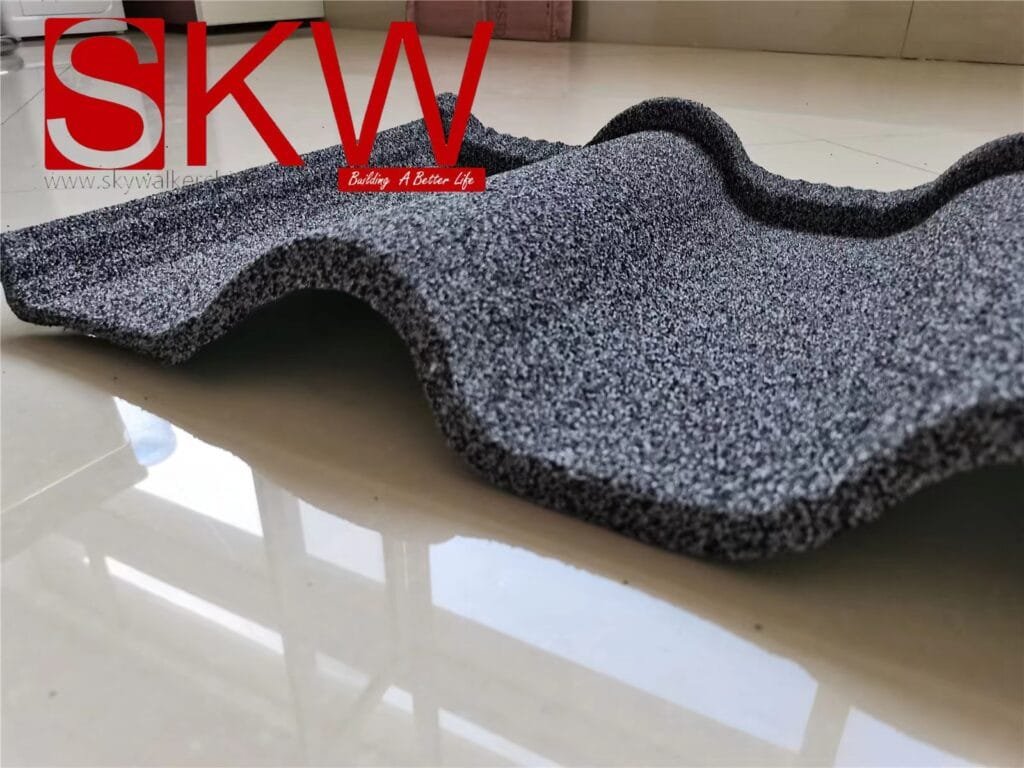
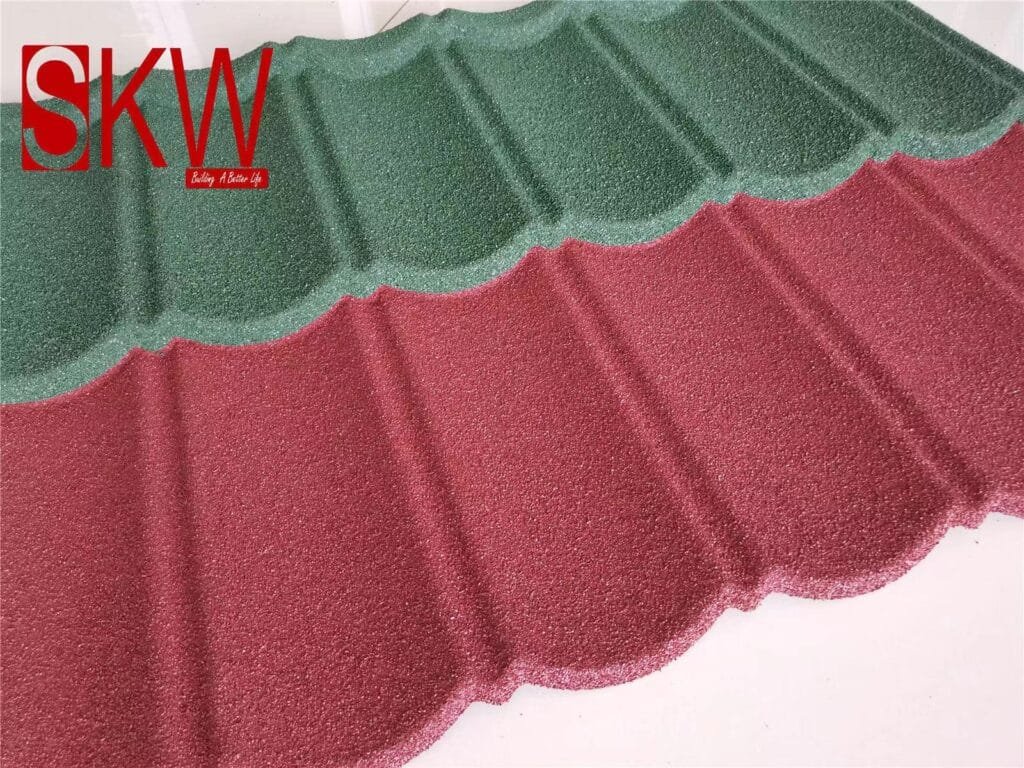
Different from traditional clay tiles, asphalt shingles, and ordinary color steel tiles, stone-coated metal roof tiles are composite roofing materials with high structural stability. They adopt hot-dip aluminum-zinc steel plates as the base substrate, bonded with natural stone particles via environment-friendly adhesive, integrating lightweight, high strength, and weather resistance.
The most prominent advantage in snow-prone areas is the ultra-light self-weight and super load-bearing margin. The self-weight of stone-coated metal tiles is only about 14% of the standard residential roof live load, leaving up to 86% safety margin for snow load bearing. In contrast, traditional clay tiles occupy nearly 96% of the standard live load, with almost no redundant bearing capacity to cope with snow accumulation, easily causing roof overload, deformation or even collapse in heavy snow seasons. In practical engineering applications, stone-coated metal roofs can effectively extend the service life of building roofs by about 15 years in extreme snow weather.
In addition, the special granular surface of stone-coated metal tiles balances snow sliding and anti-slip performance. Compared with smooth ordinary metal roofs that easily cause sudden snow sliding hazards and overly textured asphalt shingles that retain excessive snow, they can slow snow accumulation speed moderately while avoiding dangerous avalanche of snow layers, protecting roof structures and ground facilities simultaneously.
2. Professional Snow Load-Bearing Parameter Standards
The load-bearing performance of stone-coated metal roof tiles has passed strict standardized engineering tests and meets international and domestic building structure design specifications. According to the authoritative industry standard JC/T 2470-2018, the product achieves a bearing capacity of 1200N/420mm, which is 50% higher than the European standard EN 494 (800N/m²), presenting outstanding structural strength.
Combined with international snow load design specifications such as ISO 4355:2013 and Eurocode EN 1991-1-3, the stable bearing range of stone-coated metal roofs fully covers the snow load requirements of most snowy regions worldwide. The standard residential roof live load is designed as 0.5kN/m² (about 50kg/m²). After deducting the self-weight of the tiles, the roof system can safely bear long-term snow accumulation of conventional thickness and short-term extreme snow load impact.
In actual engineering design, the maximum allowable purlin spacing of the roof system can be accurately matched through the manufacturer’s professional load-span table. The load-span data, generated by rigorous testing and structural analysis, can guide designers to formulate targeted paving schemes according to local snow load parameters, steel plate thickness and structural strength, ensuring the bearing safety of the whole roof system.
3. Key Factors Affecting Snow Load-Bearing Performance
3.1 Roof Slope Design
Roof slope is a key factor affecting snow accumulation and load distribution. Gentle slopes are prone to thick snow accumulation and form continuous static load; steep slopes help natural snow shedding and reduce long-term roof pressure. Stone-coated metal tiles adapt to multiple slope designs. For heavy snow areas, a reasonable slope design can effectively reduce snow retention time and lower the risk of overload.
3.2 Purlin Spacing & Structural Layout
The overall snow load-bearing capacity of the roof depends not only on the tile performance but also on the matching keel and purlin structure. Too large purlin spacing will reduce the overall structural rigidity and cause local deformation under snow load. Strictly following the load-span table to control purlin spacing is the key to giving full play to the tile’s load-bearing advantages and ensuring uniform snow load transmission.
3.3 Regional Snow Load Parameters
Snow load standards vary greatly in different regions. The design needs to refer to local building codes, ground snow load values, exposure factors, thermal factors and importance factors. For high-altitude and heavy snow areas with extreme snowfall, the structural design can be appropriately optimized on the basis of standard parameters to improve the extreme load resistance of the roof.
4. Practical Installation & Snow Protection Tips for Snowy Areas
High-performance roof materials need standardized construction to exert maximum snow load resistance. For stone-coated metal roof projects in snowy regions, the following key specifications must be followed:
- Standardize keel installation: Strictly implement the purlin spacing specified by the load-span standard to avoid excessive spacing leading to insufficient local bearing capacity and ensure the overall stability of the roof skeleton.
- Optimize waterproof and sealing treatment: Snow melting and freezing cycles easily cause roof water seepage. Reinforce the sealing of tile lap joints, roof ridges and eaves to prevent water penetration and structural corrosion, which may reduce bearing performance.
- Install snow retention accessories: For steep-slope roofs, configure professional snow guards to avoid sudden large-area snow sliding, prevent safety hazards to pedestrians and facilities, and balance uniform snow load distribution.
- Regular winter maintenance: Timely remove excessive accumulated snow on the roof during continuous heavy snowfall, avoid long-term super-standard static load pressure, and check the tightness of tiles and keels regularly.
5. Why Choose Stone-Coated Metal Tiles for Snowy Region Roofs?
Compared with traditional roofing materials, stone-coated metal roof tiles show irreplaceable comprehensive advantages in snow-prone areas. Their lightweight property greatly reduces the basic load of the building itself, avoiding structural overload risks caused by superposition of self-weight and snow load. Excellent tensile and compressive strength ensures no deformation or cracking under long-term snow pressure.
Moreover, the tiles have strong frost resistance and anti-aging performance. They will not crack, fade or peel due to repeated freezing and thawing of snow water in winter, maintaining stable structural performance for a long time. The service life can reach more than 50 years, which greatly reduces the frequent maintenance and replacement costs of roofs in snowy areas.
Final Conclusion
Snow load bearing is a vital indicator of roof safety in cold and snowy regions. With superior professional bearing parameters, lightweight structural advantages and stable weather resistance, stone-coated metal roof tiles fully meet the stringent roof safety design requirements of various snowy regions around the world. Combined with standardized structural design, scientific installation construction and reasonable snow protection measures, they can perfectly cope with long-term snow accumulation and extreme snowfall weather, providing long-term and reliable safety protection for residential, commercial and industrial buildings in snowy areas.