
Are you searching for a long-lasting, weather-resistant, and aesthetically appealing roofing solution that outperforms traditional clay tiles, asphalt shingles, and ordinary metal roofs? Stone coated metal roof tiles have emerged as the top-tier roofing choice for residential, commercial, and industrial buildings worldwide. Combining the rugged durability of industrial-grade metal with the elegant texture of natural stone, these innovative roofing tiles solve the common pain points of conventional roofing materials, including short service life, easy fading, poor wind resistance, and heavy structural load. In this complete guide, we will cover everything you need to know about stone coated metal roof tiles, including their structure, core benefits, material comparison, application scenarios, installation tips, maintenance advice, and frequently asked questions.
1. What Are Stone Coated Metal Roof Tiles?
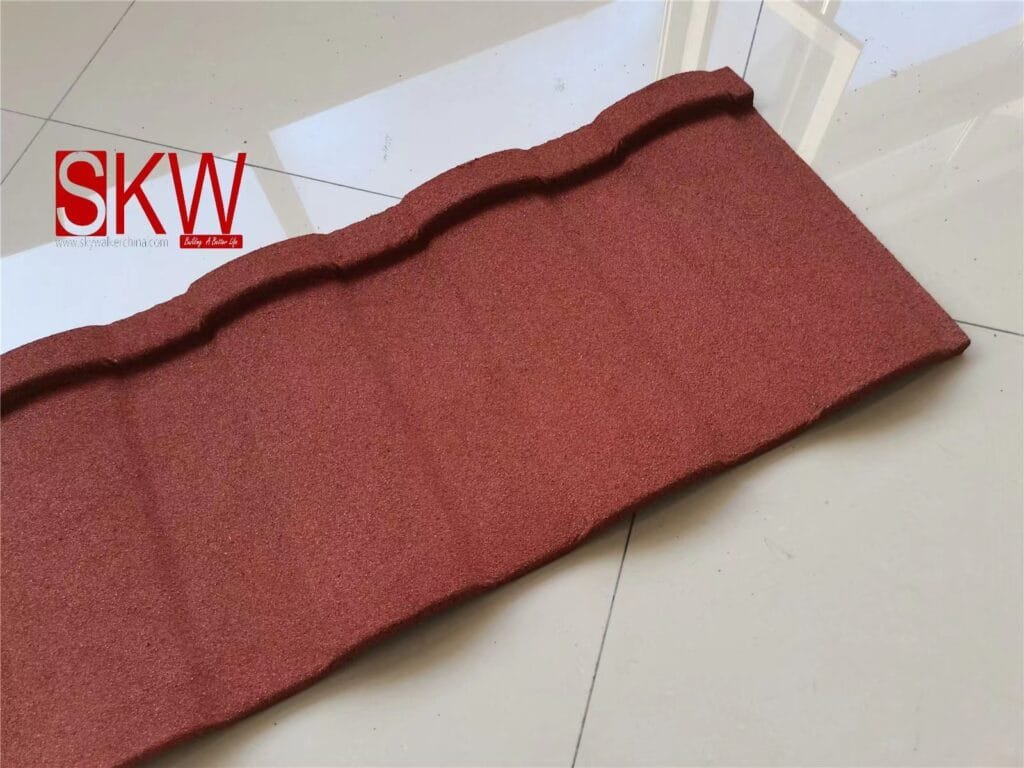
Stone coated metal roof tile is a high-performance composite roofing material engineered with a multi-layer structural design. Unlike pure metal roofs with a monotonous industrial look or fragile traditional clay tiles, it perfectly balances structural strength, weather durability, and natural aesthetics. The core substrate adopts premium galvalume steel (aluminum-zinc alloy steel sheet), which is processed with multiple anti-corrosion and adhesive treatments, then bonded with high-temperature sintered natural basalt or volcanic rock granules via eco-friendly acrylic resin glue.
This unique composite structure integrates the toughness of metal materials and the decorative texture of natural stone. Each tile is precisely molded to simulate the appearance of classic slate, clay tiles, and wood shakes, delivering a high-end architectural visual effect while retaining the superior physical properties of metal roofing. Thanks to its advanced manufacturing technology, stone coated metal roofing avoids the defects of traditional roofing materials and has become a mainstream sustainable roofing solution in tropical, subtropical, coastal, and high-wind areas across the globe.
2. Professional Multi-Layer Structure of Stone Coated Metal Tiles
The excellent performance of stone coated metal roof tiles stems from its scientific layered structure, with each layer undertaking independent functional responsibilities to ensure overall stability and durability. The complete structural layers are as follows:
- Galvalume Steel Base Layer: The core supporting layer made of high-strength aluminum-zinc alloy steel. It provides outstanding structural toughness, impact resistance, and tensile strength, effectively resisting external pressure such as heavy snow and hail. Compared with ordinary galvanized steel, galvalume steel boasts 3-5 times stronger corrosion resistance and avoids rust and deformation in humid environments.
- Anti-Fingerprint & Anti-Corrosion Primer Layer: A professional protective coating applied on the steel substrate to isolate air, moisture, and corrosive substances. It further enhances anti-rust performance and creates a smooth base for the subsequent stone granule bonding, improving the overall adhesion of the tile.
- High-Adhesion Acrylic Resin Layer: A high-elasticity adhesive layer that firmly bonds natural stone granules to the metal substrate. It features strong weather resistance, no cracking or peeling under long-term UV radiation and temperature changes, and ensures the stone coating stays intact for decades.
- Sintered Natural Stone Granule Surface Layer: The decorative and protective outer layer made of 800°C high-temperature sintered inorganic rock granules. The high-temperature firing process fuses pigments into the stone molecular structure, achieving permanent UV resistance, anti-fading, and anti-oxidation effects. The natural granular texture also forms a physical protective layer to buffer wind, rain, and hail impact.
- Surface Protective Film (Optional): A transparent nano protective layer added on the surface of individual tiles, which enhances stain resistance, water resistance, and self-cleaning performance, keeping the roof bright and clean for a long time.
3. Core Advantages of Stone Coated Metal Roof Tiles
As an upgraded modern roofing material, stone coated metal roof tiles have comprehensive advantages that traditional roofing materials cannot match, covering durability, safety, aesthetics, economy, and environmental protection.
3.1 Extreme Durability & Long Service Life
Benefiting from the galvalume steel substrate and anti-aging stone coating, standard stone coated metal roof tiles have a service life of 50-70 years, far exceeding asphalt shingles (15-20 years) and ordinary metal roofs (20-30 years). The inorganic sintered stone granules will not fade, peel, or weather under long-term sunlight, rain, and temperature alternation, and the steel base will not rust or deform in coastal salt spray, humid, or high-altitude environments.
3.2 Ultra-Light Weight & Low Structural Load
Stone coated metal tiles are extremely lightweight, with a weight of only 5-7kg per square meter, which is 1/10 of traditional clay tiles and 1/3 of concrete roof tiles. The lightweight feature greatly reduces the bearing pressure of the building’s roof truss and wall structure, eliminating the need for complicated roof reinforcement. It is not only suitable for new buildings but also perfect for roof renovation and old house reconstruction projects.
3.3 Superior Weather & Disaster Resistance
This roofing material is engineered for harsh weather conditions. It can resist strong winds of up to 120mph, heavy rain, hail impact, snow accumulation, and extreme temperature changes (-40°C to 80°C). The integrated locking installation structure prevents tile displacement and water leakage in typhoon and rainstorm weather. Meanwhile, the integral waterproof structure completely avoids the common water seepage problem of traditional tile gaps.
3.4 Excellent Fire & Safety Performance
Stone coated metal roof tiles are non-combustible with a Class A fire rating, which will not burn or spread flames in case of fire, effectively improving the building’s fire safety level. Unlike asphalt shingles that are easy to melt and burn at high temperatures, it maintains stable physical performance in extreme high-temperature environments, greatly reducing fire risks for buildings.
3.5 Energy Saving & Thermal Insulation
The natural stone granule surface can reflect solar ultraviolet rays and infrared radiation, reducing roof heat absorption. Paired with the air insulation layer under the tiles, it effectively blocks outdoor heat transfer, lowering the indoor temperature by 3-5°C in summer. Professional data shows that stone coated metal roofs can reduce building air conditioning energy consumption by up to 30%, realizing significant energy-saving and emission-reduction effects.
3.6 Rich Aesthetics & Strong Adaptability
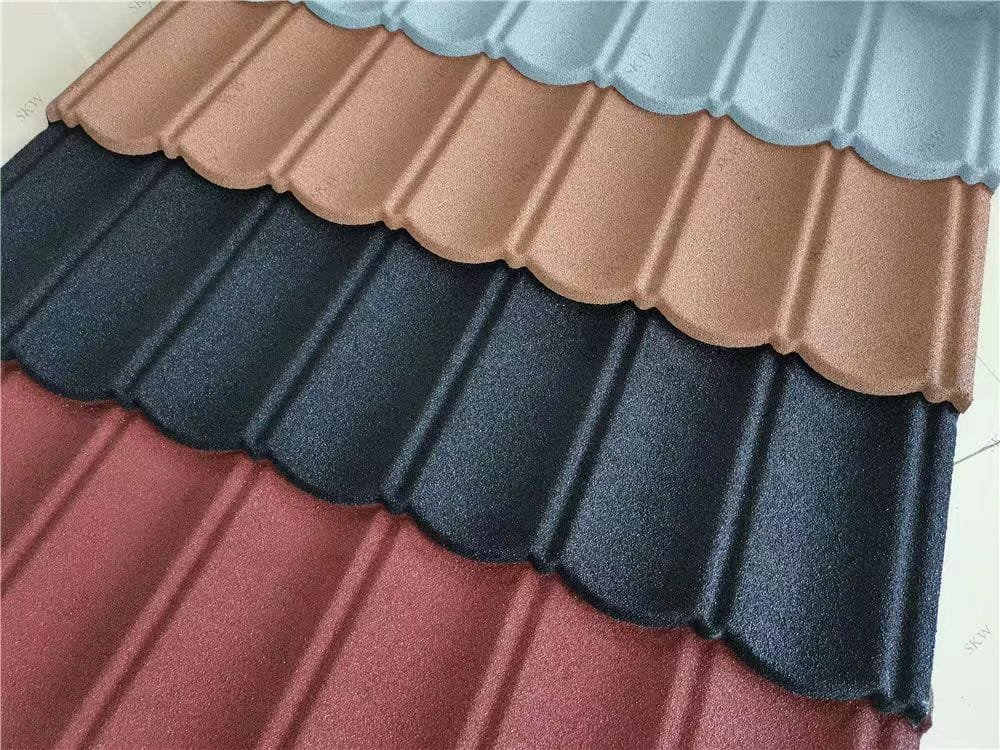
Available in multiple classic styles including roman tile, wood shake, slate, and classic tile, with dozens of natural color options such as terracotta, charcoal gray, brick red, and antique brown. It can perfectly match various architectural styles, including modern villas, European-style buildings, rural houses, commercial hotels, schools, and public facilities. The natural stone texture avoids the rigid industrial sense of ordinary metal roofs, greatly improving the overall grade of the building.
3.7 Eco-Friendly & Cost-Effective
All raw materials of stone coated metal roof tiles are environmentally friendly and non-toxic, with no harmful substances volatilized during production and use. The metal substrate can be completely recycled and reused, conforming to modern green building standards. In terms of long-term cost, although the initial installation cost is slightly higher than asphalt shingles, it almost requires no maintenance and replacement in 50 years, greatly reducing later maintenance and renovation costs, with ultra-low total ownership cost.
4. Stone Coated Metal Tiles vs. Traditional Roofing Materials
To help you intuitively understand the advantages of stone coated metal roof tiles, we have sorted out a detailed performance comparison with mainstream traditional roofing materials:
| Roofing Material | Service Life | Peso | Resistencia al viento | Clasificación al fuego | Anti-Fading | Coste de mantenimiento |
|---|---|---|---|---|---|---|
| Teja metálica revestida de piedra | 50-70 Years | Ultra-Light | Excellent (120mph) | Clase A | Permanent | Very Low |
| Teja asfáltica | 15-20 Years | Light | Average | Clase C | Fades in 2-3 Years | High (Regular Repair) |
| Clay/Concrete Tile | 30-40 Years | Heavy | Poor (Easy to Fall Off) | Clase A | Slow Fading | Medium (Crack Repair) |
| Ordinary Metal Roof | 20-30 Years | Light | Good | Clase A | Easy Oxidation & Fading | Medium (Anti-Rust Treatment) |
5. Wide Application Scenarios
Due to its comprehensive performance advantages, stone coated metal roof tiles are suitable for almost all types of buildings and all climatic zones worldwide:
- Residential Buildings: Modern villas, rural self-built houses, courtyard buildings, and residential community roof renovation
- Commercial Buildings: Hotels, resorts, shopping malls, office buildings, and exhibition centers
- Public Facilities: Schools, hospitals, parks, scenic pavilions, and government buildings
- Industrial Buildings: Factory workshops, warehouses, and logistics parks
- Special Climate Areas: Coastal typhoon-prone areas, rainy and humid regions, high-altitude snow areas, and high-temperature tropical zones
6. Standard Installation Process & Key Tips
The installation of stone coated metal roof tiles is simple and efficient, with a short construction period and no complicated equipment required. The standard installation steps are as follows:
- Roof Base Treatment: Clean the roof surface, check and level the roof truss and keel structure to ensure a flat and solid base.
- Waterproof Underlayment Laying: Lay high-quality waterproof and breathable underlayment on the roof base to enhance overall waterproof performance.
- Keel Fixing: Fix wooden or steel keels according to the tile specification spacing to provide stable support for the tiles.
- Tile Laying & Locking: Lay tiles from the eaves to the ridge in sequence, adopt cross overlapping and hidden locking installation to ensure tight splicing and no gaps.
- Accessory Installation: Install ridge tiles, edge tiles, gutters, and flashings to perfect the roof edge sealing and waterproof treatment.
- Overall Inspection: Check all tile connections and accessories to confirm no loose tiles, gaps, or hidden water leakage risks.
Installation Tip: Professional installation can effectively extend the service life of the roof. It is recommended to choose experienced construction teams to avoid problems such as loose locking and uneven splicing caused by irregular operation.
7. Daily Maintenance & Care Guide
One of the biggest advantages of stone coated metal roof tiles is maintenance-free in daily use. Different from asphalt and clay tiles that require regular repair and replacement, it only needs simple daily care to maintain long-term perfect performance:
- Regularly clean fallen leaves, dust, and debris on the roof to avoid long-term accumulation leading to water ponding and dirt adhesion.
- Check the roof accessories and splicing gaps after extreme weather such as typhoons and heavy snow to ensure no tile displacement or damage.
- Do not walk on the roof frequently or scratch the surface with sharp objects to protect the stone granule coating.
- Avoid long-term accumulation of corrosive substances such as chemical wastewater on the roof surface.
8. Frequently Asked Questions (FAQs)
Q1: Will stone coated metal roof tiles rust and fade?
No. The galvalume steel substrate has super anti-corrosion and anti-rust ability, and the surface sintered stone granules are inorganic pigments with molecular color fixation technology, which will not fade, discolor, or oxidize under UV radiation and harsh weather. Normal use can maintain the original color for more than 50 years.
Q2: Are stone coated metal tiles noisy in rainy days?
No. Different from ordinary iron sheets that produce loud rain noise, the thickened stone granule surface and elastic resin buffer layer can effectively absorb rain impact sound, with far lower noise than ordinary metal roofs, ensuring indoor quietness.
Q3: Is the lightweight roof safe enough?
Absolutely safe. Light weight does not mean low strength. The high-tensile galvalume steel substrate has strong impact resistance and structural stability. The professional locking installation structure ensures that the tiles are firmly fixed, which is more wind-resistant and earthquake-resistant than heavy clay tiles.
Q4: Can it be used for roof renovation?
Yes. Due to its ultra-light weight, stone coated metal tiles can be directly laid on the original old roof tiles without removing the old roof or reinforcing the structure, saving renovation time and cost, and is the best choice for old roof reconstruction.
9. Final Conclusion
Stone coated metal roof tiles represent the latest development trend of modern roofing materials. They perfectly integrate the durability of metal, the aesthetics of natural stone, and the safety of high-performance building materials, solving almost all the pain points of traditional roofing solutions. With ultra-long service life, excellent weather resistance, energy-saving and environmental protection performance, low maintenance cost, and wide applicability, they have become the preferred roofing material for new buildings and roof renovation projects all over the world.
Whether you are building a new house, renovating an old roof, or undertaking a commercial construction project, stone coated metal roof tiles can provide you with a cost-effective, safe, and beautiful long-term roofing solution. Choosing high-quality stone coated metal roof tiles means choosing stability, durability, and high value for your building.