
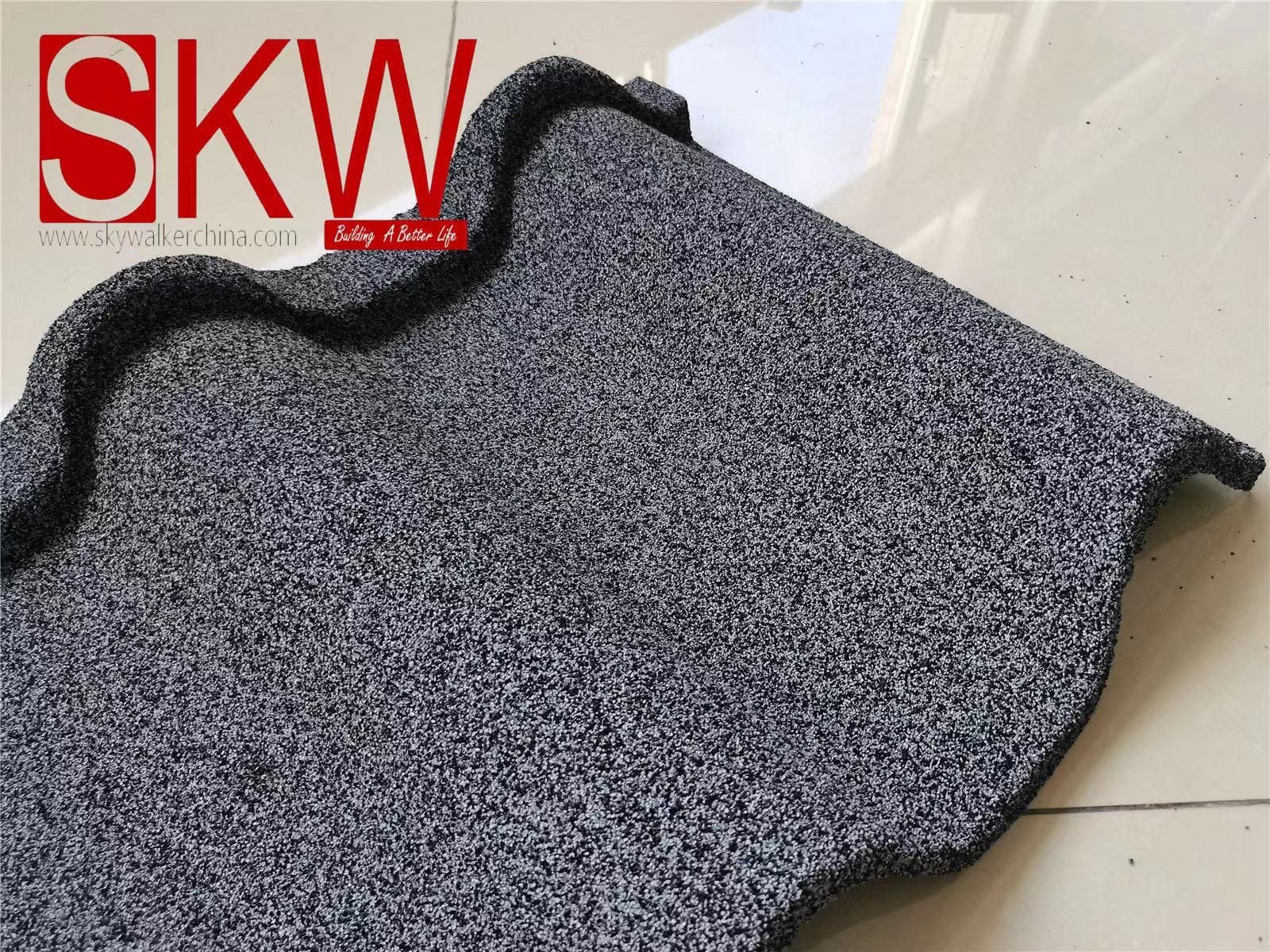
Many homeowners choose stone-coated metal roofs for their outstanding durability, waterproof performance, and elegant appearance. However, the biggest reason why this roofing material dominates hot climate markets is its excellent heat dissipation and thermal insulation performance. Unlike heat-trapping asphalt shingles and heat-storing clay tiles, stone-coated metal roofs maintain a cool roof state in scorching summer, effectively lowering indoor temperatures and cutting energy costs.
Most people only know that stone-coated metal roofs stay cool in summer but do not understand how they dissipate heat and block high temperatures. In this in-depth guide, we will fully explain the core heat dissipation principle of stone-coated metal roofs, covering structural heat insulation, physical heat reflection, rapid heat emission, and installation-assisted cooling mechanisms, helping you figure out why it outperforms all traditional roofing materials in summer heat management.
1. Core Overview: The Unique Passive Cooling System of Stone-Coated Metal Roofs
The excellent summer cooling effect of stone-coated metal roofs does not rely on a single technology but a four-in-one passive heat dissipation system formed by multi-layer composite structure and professional installation technology. Different from traditional roofs that only rely on single-layer heat resistance, it realizes full-process heat management: blocking solar heat from the source, reducing heat absorption in the middle, accelerating heat dissipation on the surface, and cutting off heat transfer at the bottom.
This systematic heat dissipation principle fundamentally solves the two major pain points of traditional roofs: excessive solar heat absorption 和 long-term residual heat storage, achieving stable and energy-saving cooling effects throughout hot summer days.
2. Layer-by-Layer Heat Dissipation Principle: Multi-Layer Composite Structural Thermal Barrier
The biggest advantage of stone-coated metal roofs lies in their scientific multi-layer composite structure. Each functional layer undertakes an independent heat dissipation and insulation task, forming an impenetrable thermal barrier from top to bottom.
2.1 Top Layer: Natural Stone Chip Coating – Source Heat Reflection & Scattering
The outermost natural stone chip coating is the first core heat dissipation layer and the key to the roof’s cool performance. Different from the smooth, heat-absorbing surface of asphalt and bare metal roofs, the irregular textured natural stone grains form countless micro-pore structures on the roof surface.
Its heat dissipation principle includes two parts: First, high solar reflectivity. High-quality mineral stone chips with professional reflective pigments have a high Solar Reflectance Index (SRI), which can reflect more than 70% of solar radiation and ultraviolet infrared heat back into the atmosphere, preventing solar heat from being absorbed by the roof in the first place. Second, light scattering effect. The uneven stone texture breaks concentrated solar radiation into scattered light energy, avoiding local overheating caused by heat accumulation.
Most importantly, natural stone chips have stable physical properties, no heat storage characteristics, and will not retain solar heat after sunset, laying a foundation for rapid night heat dissipation.
2.2 Middle Layer: Adhesive & Anti-Rust Primer – Buffer Heat Isolation
Between the stone chip surface and the steel base layer is a high weather-resistant adhesive layer and anti-rust primer layer. These two intermediate layers do not conduct heat but act as thermal buffer isolation layers.
They effectively slow down the heat conduction speed from the high-temperature stone surface to the steel substrate, prolong the heat transfer path, and consume most of the heat energy in the conduction process. Even if the surface temperature rises slightly under intense sunlight, the intermediate buffer layer can block most heat from penetrating downwards, greatly reducing the heat load of the base layer and indoor heat ingress.
2.3 Bottom Layer: Galvanized Steel Substrate – Rapid Heat Emission
The high-strength galvanized steel base is the core heat dissipation and heat emission layer of the roof. Many people misunderstand that metal substrates easily conduct heat, but in fact, steel materials have excellent thermal emissivity, which is the key difference from traditional tile materials.
The heat dissipation principle of the steel substrate is zero heat storage + rapid heat radiation. Asphalt and clay tiles are porous and thick, which can store a large amount of heat and release it slowly for 4–6 hours after sunset. In contrast, the dense steel substrate does not store heat. After the sun sets and solar radiation disappears, the heat accumulated on the steel layer can be quickly radiated back to the outside air within 30–60 minutes, realizing rapid cooling of the roof surface.
3. Auxiliary Heat Dissipation Principle: Ventilated Air Gap Convection Cooling
In addition to the structural heat dissipation of the roof itself, the standard ventilated installation system of stone-coated metal roofs is an indispensable auxiliary cooling principle, which further amplifies the heat dissipation effect.
During professional installation, constructors will reserve a 1–2 inch hollow air gap between the roof panel and the roof deck, matching the soffit intake vents and ridge exhaust vents to form a natural air convection loop. According to the physical principle of hot air rising and cold air sinking, the hot air accumulated in the air gap rises quickly and is discharged from the ridge, while the low-temperature outdoor air enters from the eaves.
This continuous air convection takes away the residual heat on the back of the roof panel, completely cuts off conductive heat transfer to the attic, and reduces the attic temperature by 5–8°C compared with traditional non-ventilated roofs. This active convection heat dissipation is the key reason why stone-coated metal roofs can keep the indoor space cool even in extreme high-temperature weather above 40°C.
4. What Makes Its Heat Dissipation Better Than Traditional Roofs?
To better understand the advanced heat dissipation principle of stone-coated metal roofs, we compared its core heat management logic with traditional roofing materials:
沥青瓦: Single heat-absorbing structure, low SRI value, absorbs more than 90% of solar heat, serious heat storage, and continuous heat release at night, leading to high indoor temperature all day long.
Clay/Concrete Tiles: Thick porous structure, slow heat conduction but strong heat storage capacity. The roof continues to release heat after sunset, resulting in stuffy indoor environment at night.
Bare Metal Sheets: Fast heat conduction, no heat storage, but no reflective coating. The surface heats up rapidly under direct sun, and heat is quickly transferred to the attic, causing attic overheating.
Stone-Coated Metal Roofs: Reflection + buffering + rapid heat emission + convection cooling four-fold mechanism. Reduce heat absorption from the source, block heat transfer in the middle, and accelerate heat dissipation at the bottom, with no heat storage throughout the process, achieving all-day stable cooling.
5. Long-Term Stable Heat Dissipation Performance
Many reflective cooling roofs will fail after several years of use: the reflective coating fades and peels off, resulting in reduced heat dissipation effect. However, the heat dissipation principle of stone-coated metal roofs relies on natural mineral stone chips and metal physical properties, not chemical coatings.
Natural stone grains have ultra-strong UV resistance and high-temperature resistance, which will not fade, age or fail after long-term sun exposure. The galvanized steel substrate has stable thermal emissivity. Therefore, its heat dissipation and cooling performance can remain stable for more than 50 years, realizing long-term energy-saving and cooling effects for buildings.
6. Frequently Asked Questions About Roof Heat Dissipation Principles
Q1: Does the color of stone-coated metal roofs affect heat dissipation? A1: Light-colored stone chips have higher solar reflectivity and better heat dissipation effects, while dark colors absorb a small amount more heat. However, thanks to the unique stone chip scattering and rapid heat dissipation principle, even dark-colored stone-coated metal roofs have far better cooling performance than asphalt and clay tile roofs.
Q2: Is the air gap installation necessary for heat dissipation? A2: Yes. The ventilated air gap convection system is an important part of the heat dissipation principle. Directly attaching the roof panel to the deck will lose the convection cooling effect and reduce the overall heat insulation performance by about 30%.
Q3: Why do stone-coated metal roofs not store heat? A3: Its dense metal substrate and non-porous stone chip structure have no heat storage space. Different from porous traditional roofs that can trap heat, it can radiate all residual heat quickly after the sun sets, with no residual heat release.
Final Conclusion
The excellent summer cooling effect of stone-coated metal roofs is not a marketing gimmick but based on scientific and systematic heat dissipation principles. The surface stone chip layer reflects and scatters solar heat, the middle buffer layer blocks heat conduction, the steel substrate realizes rapid heat emission, and the ventilated air gap forms convection cooling. This four-in-one passive cooling system completely subverts the heat storage defect of traditional roofs.
For homeowners pursuing energy-saving, durable, and high-efficiency heat insulation roofing, stone-coated metal roofs are the ideal cool-roof solution for all hot climate areas.