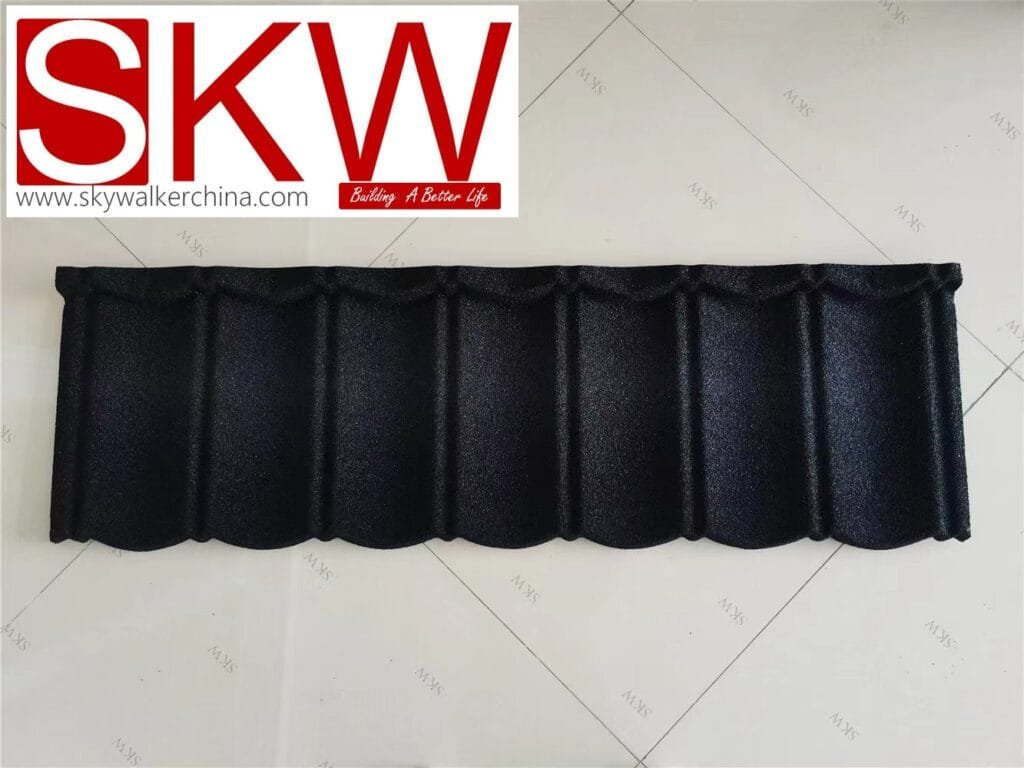

Anti-dumping duties reshape stone coated metal roof tile import costs, supply chains and pricing. Learn how importers, distributors and roofing contractors can mitigate risks in global roofing trade.
Stone coated metal roof tiles have grown into one of the most popular roofing materials globally. Combining lightweight steel substrate, natural stone chips and weather-resistant coating, they outperform clay tiles and asphalt shingles in wind resistance, corrosion resistance and lifespan. For many importers and roofing contractors, the product’s competitive price has long been a key selling point. Yet rising anti-dumping investigations and duties across multiple markets are rewriting import rules and squeezing profit margins for stone coated metal roof tile supply chains.
What Is Anti-Dumping Duty in Roofing Import Trade?
Anti-dumping duty is a trade remedy measure imposed by national authorities. It applies when imported goods are sold at prices below their normal value in the manufacturing country, causing material injury to the local domestic industry.
For stone coated metal roof tiles, investigations often target the coated steel base material. Many importing economies treat stone coated metal tiles as finished steel products. If the raw coated steel coil faces anti-dumping findings, finished stone coated tiles may also fall under the scope of customs assessment, even though the tiles are value-added finished roofing goods. This classification issue creates one of the biggest headaches for importers.
Direct Impacts of Anti-Dumping Policies on Stone Coated Metal Roof Tile Imports
1. Higher landed cost and compressed profit
Anti-dumping duties are levied on the customs value of shipments. Once duties take effect, the landed cost of stone coated metal roof tiles rises sharply. Importers either absorb the extra tax and shrink margins, or pass higher prices to roofing contractors and homeowners. In price-sensitive residential and renovation projects, higher tile prices can make stone coated metal roofing less competitive versus local metal tiles or traditional clay roofing solutions.
2. Longer customs clearance and compliance risks
Anti-dumping cases bring stricter customs audits. Customs officers may verify product classification, origin certificates, factory invoices and production records. Incomplete documentation leads to cargo detention, port storage fees and project delays. Some importers mistakenly assume finished stone coated tiles are separate from coated steel anti-dumping cases, only to face unexpected duty charges after shipment arrives.
Rules against circumvention add another layer of risk. Restructuring production or relocating partial processing to evade anti-dumping duties may trigger anti-circumvention probes and heavy penalties.
3. Supply chain restructuring and sourcing shift
When one major market imposes anti-dumping duties, importers re-evaluate supplier origins. Some buyers diversify suppliers across multiple manufacturing regions to reduce concentration risk. However, switching suppliers involves new quality audits, sample testing, certification validation and longer lead times. Not all manufacturers can consistently deliver stone coated tiles with stable stone chip adhesion, anti-rust performance and color fastness.
4. Market competition reshaping
Anti-dumping protection helps local metal roofing producers compete on price. Domestic manufacturers can raise their pricing gradually as low-cost imported stone coated tiles become less affordable. For end users, the overall roofing market sees fewer low-cost options, pushing up renovation and new-build roofing budgets.
Practical Strategies for Importers & Distributors to Mitigate Anti-Dumping Risks
- Confirm tariff classification and product scope before order placement Work with a customs broker or trade lawyer to check whether stone coated metal roof tiles, or their steel substrate, fall under active anti-dumping orders in your target country. Do not rely only on supplier descriptions.
- Maintain complete, traceable documentation Keep factory production records, raw material purchase documents, test certificates and valid origin paperwork ready for customs inspection. Consistent records reduce detention risk during anti-dumping audits.
- Diversify supplier base and audit manufacturing credentials Partner with certified manufacturers that hold international roofing certifications. Stable quality and transparent production processes support your position in any trade investigation.
- Review contracts to allocate duty risk Clarify in sales contracts who bears unexpected anti-dumping or countervailing duties triggered after shipment. This avoids disputes between importers and overseas suppliers.
- Monitor sunset reviews and new trade investigations Anti-dumping orders are not permanent. Governments conduct sunset reviews to decide whether to extend duties. Track policy updates to adjust pricing, inventory and sourcing plans in advance.
最终想法
Anti-dumping policies create both threats and opportunities for stone coated metal roof tile import businesses. While duties increase import costs and compliance complexity, companies with solid compliance systems, reliable suppliers and clear product positioning can still capture market demand. Homeowners and builders value the long-term durability, hurricane resistance and low maintenance of stone coated metal tiles. Smart importers shift competition focus from low price to proven performance, certification and professional after-sales service.
If you import stone coated metal roof tiles, staying ahead of trade policy changes will help you avoid costly surprises and build a resilient roofing supply chain for years ahead.