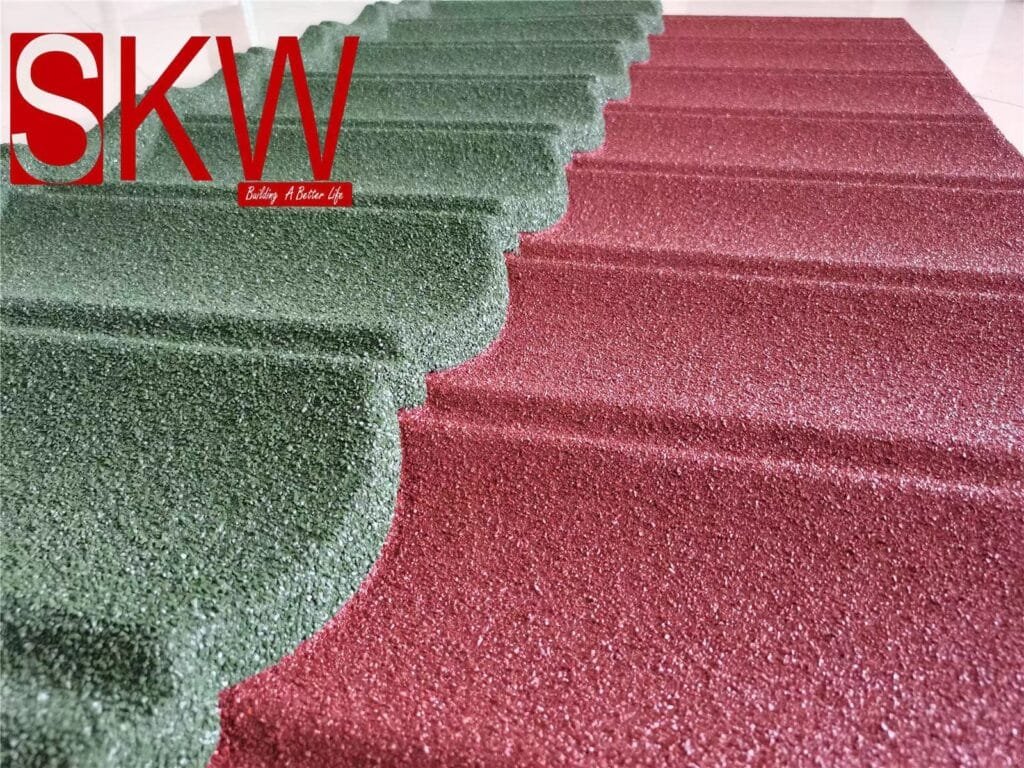
Stone-coated metal tiles have become one of the most popular roofing materials for global builders, contractors, and distributors. Featuring lightweight durability, extreme weather resistance, and aesthetic versatility, Chinese-manufactured stone-coated tiles dominate the global market with cost-effective pricing and mature production technology.
However, importing these tiles from China often comes with hidden pitfalls. Many importers, especially new overseas buyers, encounter inconsistent quality, color deviations, logistics delays, customs clearance issues, and poor after-sales support. These problems can lead to project delays, extra costs, and damaged brand reputation.
In this blog, we’ll break down the most common issues when importing stone-coated metal tiles from China and share practical, actionable solutions to help you secure a smooth, profitable procurement process.
1. Inconsistent Product Quality & Substandard Raw Materials
Quality inconsistency is the top complaint among overseas importers. Many low-tier Chinese manufacturers cut corners on core raw materials to lower prices, leading to short-lived and defective tiles.
Common quality problems:
- Low-quality substrate: Regular galvanized steel instead of standard aluzinc steel substrate. Ordinary galvanized layers corrode easily in coastal, rainy, or high-humidity areas, causing rust spots within 2–3 years, while qualified aluzinc substrates support over 50 years of service life.
- Poor polymer adhesive: Low-cost glue fails to bond stone chips firmly, resulting in large-area particle shedding during transportation or after installation.
How to avoid it:
Always verify raw material certificates before ordering. Request substrate test reports, granule sintering certificates, and adhesive quality inspection documents. Avoid ultra-low-price suppliers that skip standard production processes.
2. Color Difference Between Samples & Bulk Shipments
Color deviation is a frequent issue that troubles most distributors. It is common to find bulk tiles darker, lighter, or inconsistent in tone compared with the pre-order confirmation samples.
This problem mainly stems from unstable production batches, uneven spray coating, or the use of different batches of stone granules. Seasonal temperature and humidity changes in Chinese factories also affect color uniformity.
How to avoid it:
Confirm batch-specific color samples before mass production instead of using old samples. Ask suppliers to conduct full-batch color inspection and provide photos/videos of finished products before shipment. Formal manufacturers maintain unified color standards for each production batch to eliminate chromatic aberration.
3. Damages During Ocean Shipping & Poor Packaging
Stone-coated metal tiles are fragile in terms of surface granule integrity. Improper packaging and container loading easily cause abrasion, particle falling, tile deformation, and edge damage during long-distance sea transportation.
Common shipping damages:
- Scratched surfaces and fallen stone granules due to lack of protective films
- Deformed tiles caused by irregular stacking and excessive compression
- Wet tiles and mildew due to non-waterproof packaging in humid maritime environments
How to avoid it:
Cooperate with suppliers who adopt standardized export packaging: waterproof plastic films, foam edge protection, thick carton packaging, and fixed pallet loading. Optimize container utilization with professional loading plans to reduce extrusion and friction. Purchase cargo insurance for high-value orders to cover accidental losses.
4. Complicated Customs Clearance & Unprepared Documents
Many new importers overlook document preparation, leading to customs detention, clearance delays, and extra port fees. Stone-coated metal tiles belong to building material commodities with fixed tariff codes, requiring complete formal documents for cross-border clearance.
Common clearance issues:
- Missing commercial invoices, packing lists, or bill of lading
- Lack of factory qualification certificates and product inspection reports
- Inaccurate commodity coding and declared value, causing customs verification risks
- Uncalculated hidden costs (import duty, VAT, port handling fees, warehousing charges)
How to avoid it:
Work with experienced export manufacturers that provide one-stop document support. Confirm local tariff policies in advance, calculate all landed costs comprehensively, and ensure all declaration documents are consistent and accurate to avoid clearance delays and fines.
5. Misunderstanding of Noise & Weather Resistance Performance
Some end-users and importers hold biased views about stone-coated metal tile performance, especially regarding rain noise and weather durability.
Many buyers worry that metal tiles produce loud noise during heavy rain or hail. In fact, the natural stone granules on the tile surface can effectively absorb impact sound. The rain noise level of qualified stone-coated tiles is far lower than ordinary metal sheets, and even comparable to traditional clay tiles. Excessive noise only occurs when the roof lacks matching underlayment, insulation, or reasonable structural installation.
As for weather resistance, unqualified tiles fade and age rapidly under strong UV and storm impacts, while premium products resist fading, rusting, and wind damage for decades with professional surface treatment technology.
6. Delayed Lead Time & Unstable Delivery Schedules
Seasonal production peaks, raw material shortages, and factory schedule chaos often lead to delivery delays, which seriously affect overseas project construction plans.
Small workshops often accept excess orders beyond their production capacity, resulting in 2–4 weeks of delayed shipment. Some suppliers also delay delivery due to inefficient quality inspection procedures.
How to avoid it:
Confirm a clear delivery cycle and penalty clauses in the formal contract. Choose large-scale manufacturers with stable production lines and mature export schedules. Arrange orders in advance for peak construction seasons to avoid stock shortages and delivery delays.
7. Lack of After-Sales Support & Warranty Disputes
Most small Chinese factories only focus on order sales and ignore after-sales service. Once quality problems such as large-area granule shedding, rusting, or severe fading occur after installation, overseas buyers cannot get effective solutions or compensation.
Regular qualified manufacturers provide 30–50 years of limited warranty, covering fading, rust-through, and wind damage. In contrast, low-cost suppliers offer no valid warranty, bringing long-term risks to distributors and contractors.
How to avoid it:
Sign a formal warranty agreement before cooperation. Choose manufacturers with professional international after-sales teams who can provide remote technical guidance, installation support, and problem resolution for overseas projects.
Réflexions finales
Importing stone-coated metal tiles from China is cost-effective and high-value, but success depends entirely on supplier selection, quality control, standardized procurement processes, and risk prevention.
Most import problems are avoidable with pre-order verification, strict batch inspection, standardized logistics, and complete document preparation. By steering clear of low-cost corner-cutting suppliers and cooperating with formal export-oriented manufacturers, you can obtain high-quality stone-coated metal tiles and maximize your profit margins steadily.
Have you encountered any other problems when importing Chinese roofing materials? Leave a comment below to share your experience!