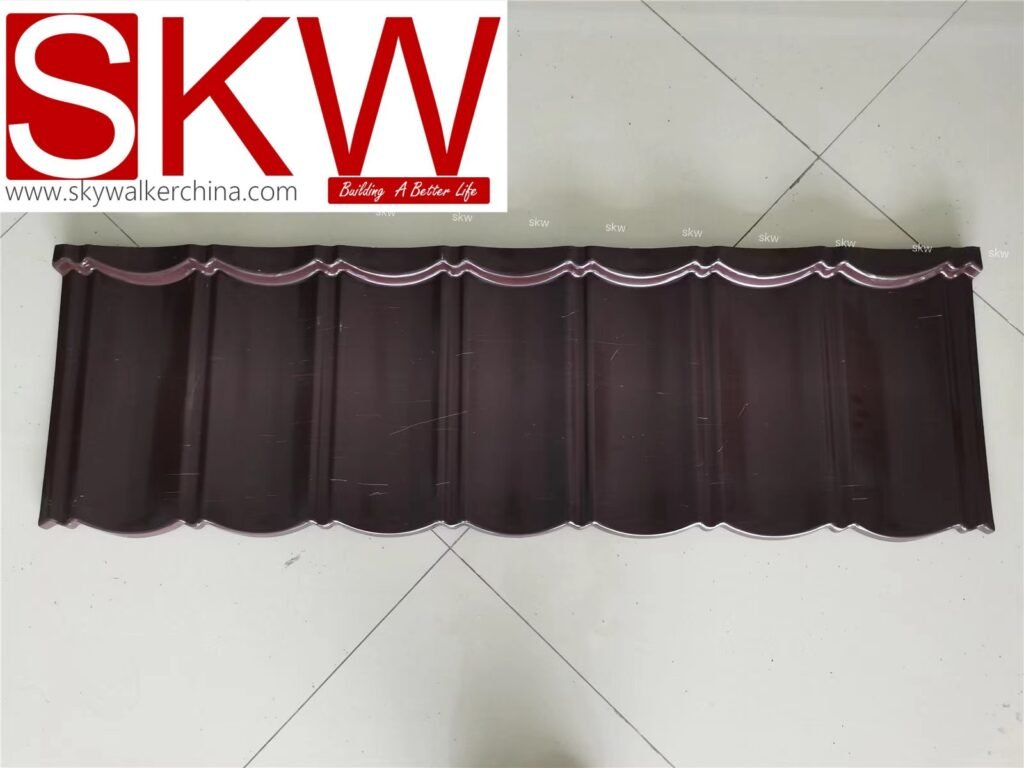

If you live near the ocean, picking the right roof is one of your biggest decisions. Salt spray, high humidity, strong sea winds, and occasional storms can quickly destroy many traditional roofing materials. A common question from homeowners, builders and contractors is: is coated metal roofing a good choice for coastal locations?
La respuesta corta: Yes, high-quality coated metal roofing can work very well at the seaside — but only if you choose the right coating, substrate and installation method. Not all coated metal tiles are equal for coastal environments, and the wrong option will rust and fail in just a few years.
Why Coastal Roofs Are So Hard to Protect
Coastal environments create a tough test for any roof. The main threat is airborne salt particles. Salt moisture sticks to roof surfaces, speeds up oxidation, and triggers corrosion.
- Constant salt spray carried by sea breeze
- High relative humidity and dew
- Strong wind, heavy rain and tropical cyclones
- UV radiation from the sun, which breaks down paint layers over time
Clay tiles, concrete tiles and ordinary galvanized steel all have weaknesses here. Clay tiles may crack or absorb water; basic galvanized sheets often develop rust spots quickly under salt exposure.
What Makes Good Coated Metal Roofing Coastal-Ready
The performance of coated metal tiles depends most on the metal base and protective coating. For seaside projects, look for these key features:
- Aluminum-zinc alloy substrate (AZ150 / AZ200) Aluminum-zinc steel substrate offers far better salt corrosion resistance than ordinary galvanized steel. Aluminum forms a stable passive film that blocks salt moisture from touching the base metal.
- High-performance top coating Polyester coating is the basic option. For coastal zones, HDP high-durable polyester o PVDF fluorocarbon coating is strongly recommended. PVDF coating resists salt erosion, UV fading and chalking much longer, with stable colour performance for decades.
- Full backside coating Many buyers only check the front colour layer. The back protective paint is critical for coastal roofs. It stops condensation and hidden corrosion from the underside.
- Thicker coating and strict quality control Thinner, low-cost coated metal tiles usually have weak paint adhesion. Salt can creep under tiny scratches and start rust spreading.
Important Limitations You Need to Know
Coated metal roofing is not “corrosion-proof forever”. There are risks you must understand:
- If the metal surface is scratched during transport or installation, the damaged spot becomes an easy entry point for salt. All cuts and scratch areas should be sealed properly.
- It is not suitable for locations extremely close to breaking surf (within 100–200 meters of the shoreline) without extra upgraded anti-corrosion treatment. In these ultra-high-salt zones, extra protective measures are required.
- Poor installation will shorten service life. Wrong fasteners are a top failure point. You must use stainless steel fasteners, never ordinary iron screws.
Pro Installation Tips for Coastal Roofs
Follow these rules to get the longest service life:
- Use 304 or 316 stainless steel nails, clips and accessories
- Keep proper roof slope for fast rain drainage; standing water accelerates corrosion
- Add breathable underlayment to reduce trapped moisture
- Avoid direct contact between different metals, which causes galvanic corrosion
- Clean the roof once or twice per year to wash away accumulated salt dust
- Inspect the roof after big storms, check for scratches and loose fasteners
Coated Metal Roof vs Other Roofs at the Coast
- VS Clay tile: Clay resists corrosion, but it is heavy, brittle, easy to crack in storms, and expensive to transport. Coated metal tile is lightweight, wind-resistant and easier to install.
- VS Ordinary galvanized metal: Regular galvanized steel rusts fast in salt air. Proper aluminum-zinc coated metal roofing lasts many times longer.
- VS Asphalt shingles: Shingles fade, curl and rot quickly in hot, salty coastal weather. Their lifespan is much shorter.
Final Verdict
Coated metal roofing is an excellent roofing solution for most coastal residential houses, villas and resort buildings — as long as you select aluminum-zinc substrate with HDP or PVDF coating, match stainless steel accessories and follow professional coastal installation standards.
If your project is in a high-salt seaside area, avoid cheap low-grade coated metal tiles. Investing in the correct anti-corrosion grade at the beginning saves you from costly roof replacement in the near future.
If you are a builder or homeowner planning a coastal roof upgrade, always ask your supplier for salt spray test reports and coastal warranty information before ordering.