Roof replacement is often the biggest headache of old house renovation. Traditional roof renovation means tearing off old tiles, cleaning up tons of construction waste, disrupting daily life, and burning a hole in your budget. If you’re planning a roof upgrade, you’ve probably wondered: can I lay stone-coated metal tiles directly over my old roof without removing the original roofing?
It’s one of the most frequently asked questions among homeowners tackling roof remodels. The short answer is yes — in most qualified cases. Stone-coated metal tiles are uniquely suitable for overlay installation on old roofs, but they are not a one-size-fits-all solution. Today, we’ll break down the rules, benefits, key conditions, and critical precautions to help you avoid costly renovation mistakes.
Why Stone-Coated Metal Tiles Work for Overlay Roofing
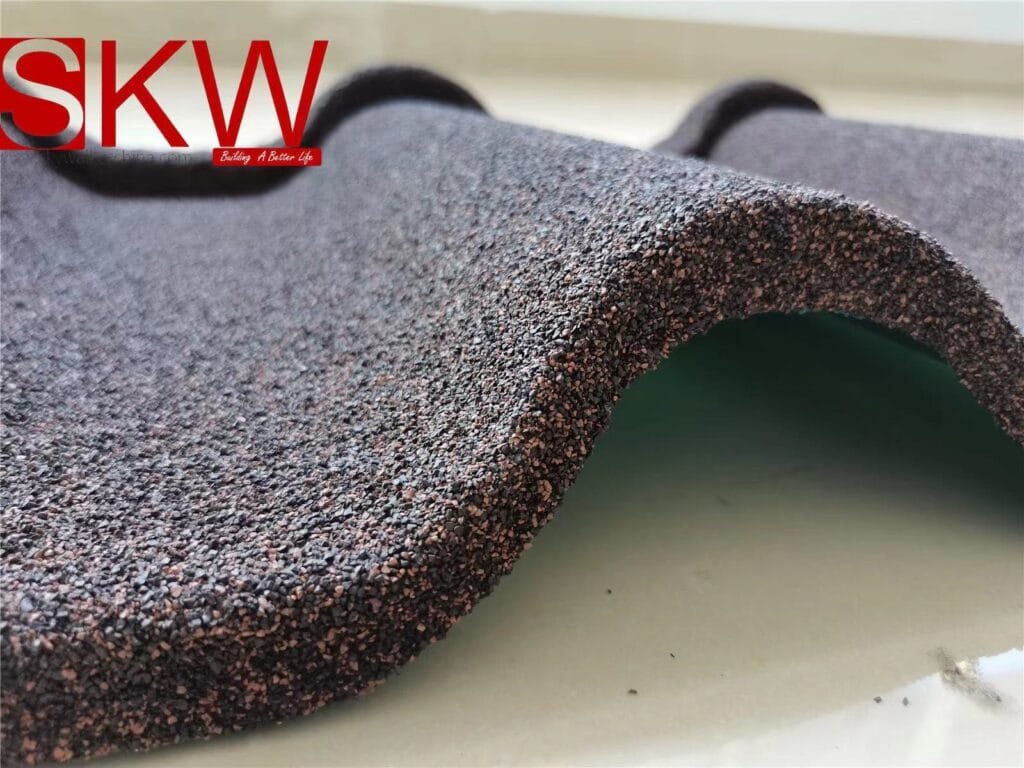
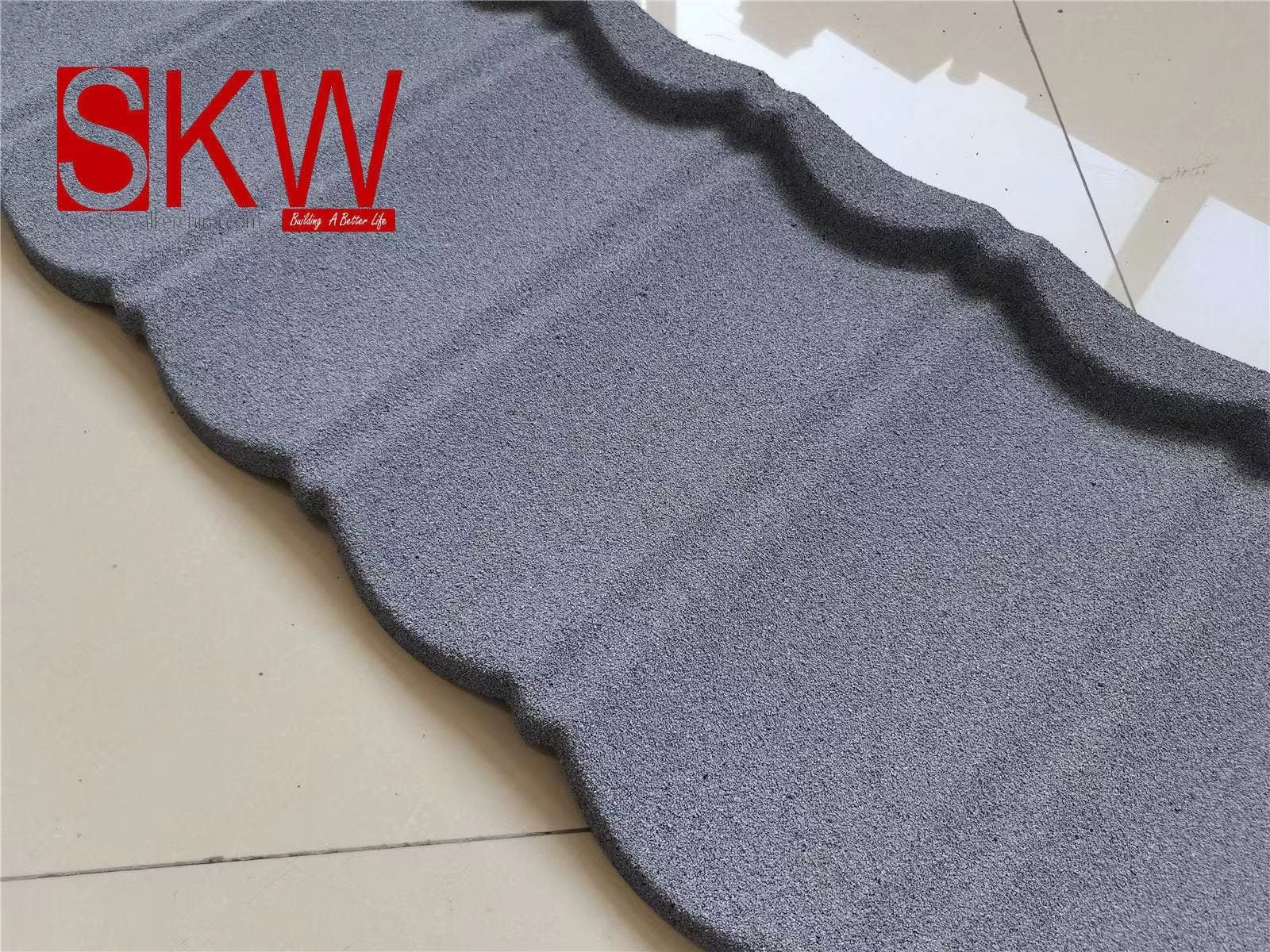
Unlike heavy traditional clay tiles, cement tiles, or asphalt shingles, stone-coated metal tiles stand out for their ultra-lightweight feature. Made of high-strength aluminum-zinc steel substrate bonded with natural stone sand, they weigh only about 1/6 of traditional roof tiles.
- Save Cost & Time: No need to remove old roof layers or handle construction waste. The whole project can be finished in 3 to 5 days, greatly shortening the construction period and cutting labor and waste disposal costs.
- Double Waterproof Protection: The reserved old roof layer plus the new stone-coated metal tile forms a dual waterproof barrier, effectively reducing the risk of roof leakage compared with full replacement.
- No Disruption to Daily Life: The construction process is noise-low and pollution-free, so you can still live in the house during renovation without frequent moving.
Preconditions for Direct Overlay Installation (Must-Check)
Direct laying is convenient, but it is not applicable to all old roofs. Blind overlay construction will bury hidden dangers of roof collapse, water leakage, and tile falling. You must confirm the following conditions before construction:
1. Stable and Undamaged Roof Structural Base
Check the old roof’s keel, wood beams, and steel frame first. If there are serious corrosion, decay, deformation, loose supports or structural cracks, do not lay tiles directly. You need to reinforce or replace the damaged base first to ensure the roof load-bearing capacity meets the standard.
For old roofs with intact and flat base structures, whether covered with cement tiles, asbestos tiles or old color steel plates, direct overlay is totally workable.
2. No Severe Water Leakage or Moldy Rot
If the old roof has long-term water leakage, leading to moldy, rotten or damp bottom layers, covering new tiles directly will seal moisture inside the roof. This will cause mildew proliferation, rusty keels, and even accelerate structural aging, eventually leading to new leakage problems. In this case, you must remove the damaged old roof layer, dry the base and redo the waterproof layer before tiling.
3. Reasonable Roof Slope
Stone-coated metal tiles adapt to roof slopes from 12° to 90°. As long as your old roof slope is within this range, direct installation is feasible. Too flat a slope will lead to poor water drainage and accumulated rainwater, affecting the roof’s waterproof service life.
Standard Construction Steps for Direct Overlay Laying
To ensure the renovation effect and service life, direct overlay construction cannot be done casually. Follow this standardized process:
- Roof Inspection & Cleaning: Clean up fallen leaves, dust and damaged tile residues on the old roof, and fix loose old tiles to ensure a flat and clean construction surface.
- Keel Leveling & Reinforcement: Build light steel keels on the original roof for leveling and fixation. The keel spacing is strictly controlled to ensure uniform stress of the new tiles.
- Lay Waterproof Liner: Spread a special waterproof and breathable mat on the keel to further enhance waterproof performance and avoid water penetration between the old and new roof layers.
- Install Stone-Coated Metal Tiles: Lay tiles in order from the eaves to the roof ridge, fix them with special fasteners, and seal the joints tightly to ensure wind resistance and waterproof effect.
- Edge Finishing: Install waterproof flashing, ridge tiles and gutter accessories to complete the whole roof system.
Errores comunes que hay que evitar
- Blind overlay for damaged roofs: Never cover severely damaged, rotten or overloaded roofs for temporary convenience, which will lead to higher maintenance costs in the future.
- Omit waterproof liner: Many homeowners skip the waterproof layer to save money, resulting in water accumulation between layers and hidden leakage troubles.
- Irregular installation: Loose fixation and unsealed joints will cause tiles to fall off in strong winds and rainwater backflow.
Final Verdict
Stone-coated metal tiles are indeed an ideal solution for old house roof renovation. For old roofs with intact structure, no severe damage and stable load-bearing capacity, direct overlay installation is completely feasible, which saves time, money and labor. For roofs with structural problems, partial demolition and reinforcement are required before construction.
This lightweight, durable and low-renovation roof material can not only solve the problems of old roof leakage and aging, but also upgrade the house’s exterior style, with a service life of up to 50 years. If you are renovating an old house, you can prioritize this roof transformation plan after on-site inspection by professional construction teams.