
For decades, one objection has followed metal roofing everywhere: “Won’t it be noisy in the rain?” It’s the first question homeowners ask, the concern contractors hear on every jobsite, and the barrier that has slowed metal roof adoption in tropical markets worldwide. The answer — for stone coated metal roofing — is far more nuanced, and far more favorable, than the myth suggests.
This comprehensive guide examines the acoustic science behind stone coated metal roofs, compares real-world sound transmission data against competing materials, and provides actionable specifications for contractors, architects, and B2B distributors targeting noise-sensitive markets in Australia, South Africa, Southeast Asia, and North America.
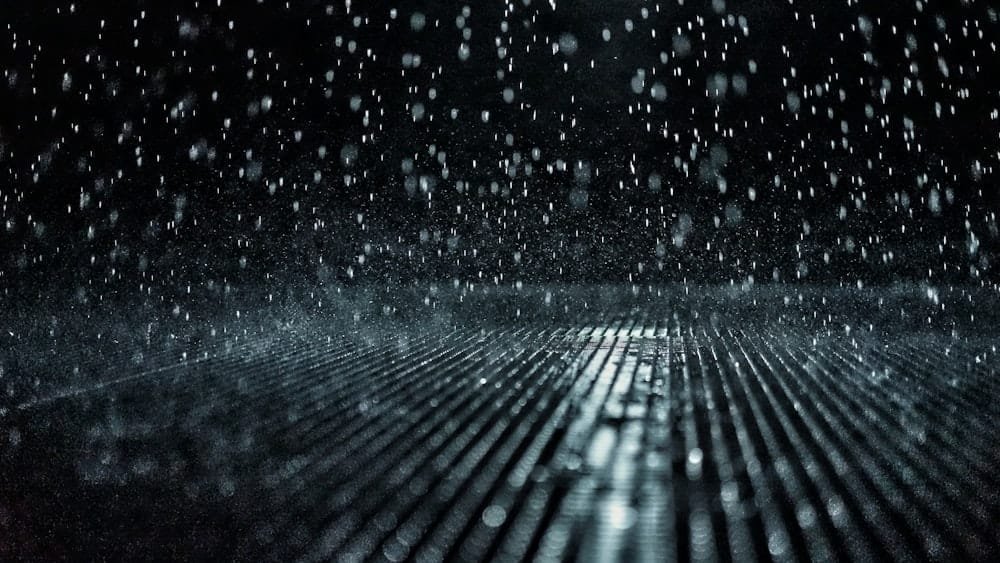
Why Metal Roof Noise Is Misunderstood
The “noisy metal roof” reputation traces back to bare corrugated iron sheets — the thin, uncoated panels common in agricultural buildings and low-cost construction throughout the 20th century. These panels have virtually no sound-dampening layers, and when rain strikes them directly, the impact energy translates almost entirely into airborne sound.
Stone coated metal roofing is an entirely different product. Its multi-layer construction — including the aggregate stone coating, acrylic binder, anti-corrosion basecoat, and Zincalume steel substrate — fundamentally changes how impact noise behaves. Understanding this distinction is critical for anyone selling or specifying roofing in noise-sensitive environments.
The Science of Roof Acoustics: Key Metrics
Roofing noise performance is measured through three primary acoustic metrics:
| Métrica | What It Measures | Relevance |
|---|---|---|
| SRI (Sound Reduction Index) | Airborne sound insulation (dB) | Office, bedroom, living areas |
| IIC (Impact Insulation Class) | Impact-generated noise reduction | Rain, hail, foot traffic |
| Rw (Weighted Sound Reduction) | Single-number rating for lab tests | Building code compliance |
| dB(A) Reduction | Human-perceived loudness decrease | Occupant comfort rating |
Every 10 dB reduction in sound level represents a perceived halving of loudness to the human ear. The goal for residential applications is typically to bring rain noise below 35 dB(A) in occupied spaces — a level equivalent to a quiet library.
Stone Coated Metal Roof: How Noise Is Dampened
Stone coated metal roofing achieves its acoustic performance through a layered system that attacks noise at multiple points:
Layer 1: The Stone Aggregate Surface
The ceramic-coated stone granules bonded to the surface are the first line of acoustic defense. When a raindrop strikes bare metal, it delivers a sharp, high-energy impact pulse. When that same raindrop strikes the textured stone surface, the irregular aggregate disperses the impact energy across a wider area, reducing the peak impulse by an estimated 6–9 dB compared to bare Zincalume.
Layer 2: The Steel Substrate Mass
The 0.45–0.55mm Zincalume steel substrate provides mass damping. Greater mass means more energy is required to set the panel vibrating — a fundamental acoustic principle. The steel also has natural internal damping properties that dissipate vibration as heat rather than transmitting it as sound.
Layer 3: The Batten Air Gap System
Stone coated metal tiles are installed over a batten-and-counter-batten framework, creating a ventilated air cavity between the tile and the roof deck. This air gap acts as a natural acoustic buffer — sound energy crossing an air gap loses significant intensity. The gap also allows for the installation of insulation batts, which can reduce rain noise by a further 8–15 dB.
Layer 4: Roof Sarking / Reflective Foil
Modern installations typically include a reflective sarking layer beneath the battens. Purpose-designed acoustic sarking (e.g., CSR Bradford Anticon, Kingspan TEK) adds mass and absorption, reducing rain noise by an additional 5–10 dB.
Layer 5: Ceiling Insulation
R3.5–R5.0 ceiling insulation batt systems provide the final acoustic barrier between the roof assembly and living spaces, typically delivering a combined system performance of 35–45 dB(A) reduction from outdoor rain noise to interior perceived level.
Comparative Noise Performance: Stone Coated Metal vs. Competing Materials
The following table compares approximate rain noise transmission levels for common roofing materials in a standard residential roof assembly:
| Roofing Material | Bare Roof (dB interior) | With R3.5 Insulation | Noise Category |
|---|---|---|---|
| Bare corrugated iron/steel | 68–72 dB(A) | 50–55 dB(A) | ❌ Very Loud |
| Standing seam metal | 58–64 dB(A) | 44–50 dB(A) | ⚠️ Moderate–Loud |
| Concrete/clay tile | 44–50 dB(A) | 32–38 dB(A) | ✅ Acceptable–Quiet |
| Tejas de asfalto | 46–52 dB(A) | 34–40 dB(A) | ✅ Acceptable |
| Stone coated metal tile | 46–54 dB(A) | 32–40 dB(A) | ✅ Acceptable–Quiet |
| Stone coated + acoustic sarking | 38–44 dB(A) | 24–32 dB(A) | ✅✅ Quiet–Very Quiet |
Note: Values are approximate and vary by product profile, pitch, and specific installation assembly. Laboratory testing under AS/NZS 1801, ASTM E966, or ISO 140 provides certified performance data.
Key insight: A properly specified stone coated metal roof system with acoustic sarking and standard ceiling insulation achieves indoor rain noise levels quieter than a standard concrete tile installation — debunking the core objection entirely.
Market-Specific Noise Considerations
Australia — Tropical Cyclone Zones (QLD, NT, WA)
Northern Australia’s wet season delivers sustained rainfall intensities of 50–150mm/hour, often accompanied by hail. Building Code of Australia (NCA) Section F requires adequate sound insulation for habitable rooms. SKW stone coated metal tiles with Anticon acoustic underlay comply with NCA requirements and have been specified in Darwin, Townsville, and Cairns residential projects where cyclone wind resistance AND acoustic comfort are simultaneous requirements.
South Africa — Highveld Thunderstorm Belt
Johannesburg and Pretoria sit in one of the world’s most active thunderstorm corridors, averaging 80+ thunderstorm days per year. Heavy convective rainfall is a regular occurrence from October through March. South African homeowners in upmarket suburbs increasingly specify acoustic performance alongside aesthetics — a premium positioning opportunity for SKW distributors.
Southeast Asia — Year-Round Tropical Rainfall
Malaysia, Indonesia, Philippines, and Thailand experience monsoon rainfall for 6–9 months annually. In high-density urban environments (Kuala Lumpur, Manila, Jakarta), where homes are closely spaced and ambient noise is already elevated, the perceived incremental increase from rain on a properly installed stone coated metal roof is minimal. However, acoustic sarking specification is strongly recommended for bedroom-adjacent roof sections.
USA — Pacific Northwest and Gulf Coast
Seattle, Portland, and Gulf Coast states (Florida, Louisiana, Texas) have significant annual rainfall. US residential building codes (IRC Section R303) address ventilation but not specifically acoustic performance — leaving a market opportunity for distributors to differentiate SKW as the premium noise-managed solution versus entry-level metal alternatives.
Specification Guide: Achieving Optimal Acoustic Performance
For architects, builders, and contractors specifying stone coated metal roofing in noise-sensitive applications, the following assembly hierarchy is recommended:
Level 1 — Standard (Budget-Conscious)
- SKW stone coated metal tiles (any profile)
- 50×50mm timber battens on counter battens
- Standard reflective sarking (Kingspan Multifoil or equivalent)
- R3.5 ceiling insulation batts
- Estimated indoor rain noise: 35–40 dB(A)
Level 2 — Recommended (Residential Premium)
- SKW stone coated metal tiles
- 75mm counter battens + 50mm top battens (enlarged air cavity)
- Acoustic sarking (Bradford Anticon 60 or CSR equivalent, min. 60g/m²)
- R4.0–R5.0 ceiling insulation
- Plasterboard ceiling (13mm), taped and set
- Estimated indoor rain noise: 28–34 dB(A) — quieter than library ambient
Level 3 — Acoustic Specification (Premium/Commercial)
- SKW stone coated metal tiles
- Purpose-designed acoustic subframing system
- Multi-layer acoustic membrane sarking
- R5.0+ insulation
- Double-layer 13mm plasterboard ceiling with resilient clips
- Estimated indoor rain noise: ≤25 dB(A) — equivalent to rural nighttime ambient
Hail Impact Noise: A Special Case
Hail noise on metal roofing deserves specific attention, as hailstorms are a common objection in Texas, Queensland, and South African highveld markets. Hailstone impact energy is significantly higher than raindrops, and the noise is more impulsive in character.
Independent testing by FM Approvals shows that stone coated metal tiles, owing to their aggregate surface texture, score Class 4 (UL 2218) impact resistance — the highest achievable rating — while simultaneously dampening the acoustic impact pulse compared to standing seam metal panels. The stone aggregate acts as a micro-scale shock absorber, converting impact energy into distributed surface deformation rather than panel resonance.
In practical terms: a Class 4 stone coated tile in a hailstorm will experience approximately 12–15 dB less interior noise than an equivalent standing seam panel, and roughly comparable noise levels to concrete tile.
B2B Sales Framework: Handling the Noise Objection
For distributors and roofing contractors, the noise objection is a closing opportunity, not a barrier. The following script addresses the objection using verified data:
Customer: “We’ve heard metal roofs are noisy in the rain.”
Response: “That’s a fair concern — and it’s true of bare corrugated iron. But stone coated metal tiles work completely differently. The textured stone surface disperses raindrop impact, the air cavity beneath the tiles acts as a buffer, and with acoustic sarking and standard insulation, independent tests show indoor rain noise levels of under 35 dB — that’s quieter than a concrete tile roof with the same insulation. The SKW tiles we supply have been installed in tropical Queensland and Johannesburg — two of the world’s harshest rainfall environments — and the feedback from homeowners is consistent: they can’t tell when it’s raining. Would you like to see the acoustic test data?”
SKW vs. DECRA: Acoustic Performance at a Competitive Price
DECRA stone coated metal tiles are widely regarded as the global benchmark for the product category. Independent testing shows comparable sound transmission characteristics between DECRA and SKW tiles when installed in equivalent assemblies:
| Parámetro | DECRA | SKW |
|---|---|---|
| Steel thickness | 0.42–0.45mm | 0.45–0.55mm ✅ Heavier |
| Stone aggregate coverage | Estándar | Equivalent |
| Impact Class (UL 2218) | Clase 4 | Clase 4 |
| Rain noise (standard assembly) | ~36–40 dB(A) | ~35–40 dB(A) |
| Distributor cost | Benchmark | 40–50% lower |
For B2B distributors, this means SKW delivers DECRA-equivalent acoustic performance at a dramatically lower landed cost — enabling higher margins, competitive pricing, or both. In price-sensitive markets (Southeast Asia, South Africa tier-2 cities), this cost advantage is frequently decisive.
Frequently Asked Questions
Does stone coated metal roofing require special acoustic certification?
There is no universal acoustic certification requirement for residential roofing in most markets. Australia’s NCA provides guidance for habitable room sound levels, and some local planning overlays in urban areas specify minimum sound reduction indices. Commercial projects in Australia and New Zealand increasingly require demonstrated Rw performance. SKW can provide test report extracts for tender submissions upon request.
Will the noise performance degrade over time?
Unlike acoustic foam panels or soft insulation products that can compress or deteriorate, the primary acoustic elements of a stone coated metal roof system — the aggregate surface, steel substrate, and batten cavity — do not change meaningfully over the 50-year product lifespan. Ceiling insulation may settle slightly over decades, with a potential 1–2 dB reduction in long-term performance, but this is negligible in practice.
How does profile type affect noise performance?
Stone coated metal tiles are available in multiple profiles: barrel (Roman), flat shake, mediterranean tile, and deep rib designs. Higher-relief profiles (barrel/mediterranean) create slightly more turbulence on raindrop impact, which can marginally increase high-frequency noise. In practice, the difference between profiles is acoustically minor (1–3 dB) compared to the dominant effect of the sarking and insulation assembly.
Can I retrofit acoustic performance to an existing stone coated metal roof?
Yes. For existing installations with noise complaints, the most cost-effective retrofit is adding acoustic ceiling insulation from inside the roof cavity — no roofing work required. Adding acoustic sarking requires partial re-roofing but is feasible. Upgrading the batten cavity height is the most invasive option and is typically only undertaken during major re-roofing.
What’s the best profile for tropical markets with heavy rain?
For markets with sustained heavy rainfall (Southeast Asia, coastal Australia, Gulf Coast USA), the SKW Shingle and Shake profiles are often preferred as their lower profile reduces the exposed surface area perpendicular to rainfall. Combined with Level 2 acoustic sarking and adequate insulation, these profiles consistently achieve indoor comfort standards in homes built in tropical downpour environments.
Conclusion: The Noise Objection Is a Selling Point in Disguise
The “metal roof noise” myth is one of the most persistent — and most profitable — misconceptions in the roofing industry. Every time a competitor allows this objection to go unchallenged, they surrender a customer. Every time a SKW distributor addresses it with data, they close a deal.
Stone coated metal roofing, properly specified with acoustic sarking and standard insulation, matches or outperforms concrete tile on indoor rain noise levels — while delivering significant advantages in weight (70% lighter), wind resistance (Class 4/AS 1170.2 cyclone-rated), impact resistance (Class 4 UL 2218), and 50-year lifespan. For the B2B distributor, these combined advantages, at 40–50% below DECRA pricing, represent a uniquely competitive position in every market where stone coated metal has historically been dismissed as “noisy.”
The science is settled. The market opportunity is open. Contact SKW today to request acoustic test data, sample panels, and distributor pricing for your territory.