
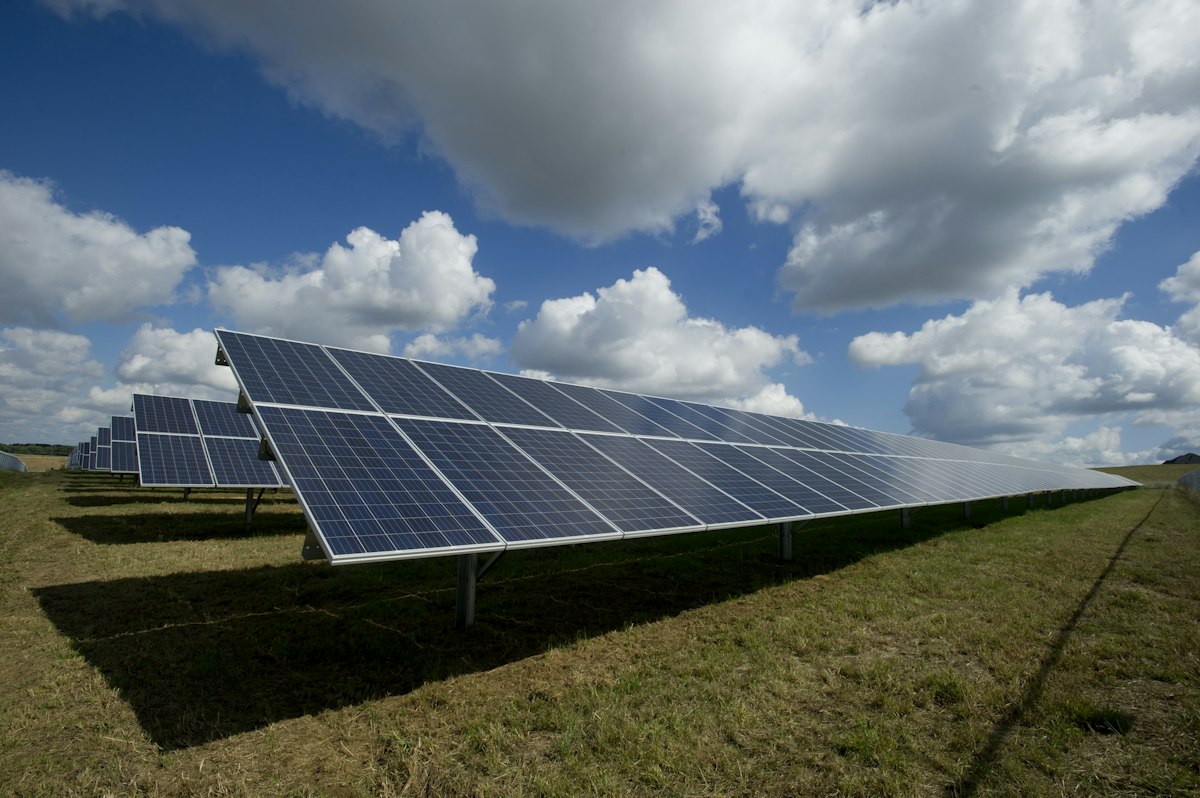
The roofing industry is undergoing a fundamental transformation. As solar energy adoption accelerates worldwide and building owners increasingly demand structures that generate power while providing protection, one question keeps emerging among architects, contractors, and distributors: Can stone coated metal roofs and solar panels work together — and more importantly, do they work better together?
The answer is an emphatic yes. This comprehensive guide explores exactly why stone coated metal roofing systems like SKW’s stone coated metal tiles are rapidly becoming the preferred substrate for solar photovoltaic (PV) installations across Australia, the United States, South Africa, and Southeast Asia.
Why Roof Type Matters More Than Solar Installers Admit
Most homeowners and building owners focus entirely on solar panel specifications — wattage, efficiency ratings, inverter types — while treating the roof as an afterthought. This is a costly mistake.
Solar PV systems are designed to last 25–30 years. If your roof needs replacement in 10–15 years, you’ll face a painful and expensive dilemma: either remove the solar array (costing $3,000–$8,000+ in labor alone) or leave an aging roof beneath expensive panels. The structural compatibility between your solar mounting system and your roof material determines installation cost, system performance, and long-term reliability.
Stone Coated Metal Roof + Solar: 7 Critical Compatibility Advantages
1. Matched Service Life — The 50-Year Alignment
Stone coated metal roofing systems carry a 50 años de garantía with demonstrated service lives exceeding that in many climates. Compare this to:
| Roofing Material | Expected Service Life | Solar Panel Life (25yr) | Mid-Life Roof Replacement? |
|---|---|---|---|
| Stone Coated Metal (SKW) | Más de 50 años | 25–30 years | No |
| Tejas asfálticas | 15–20 years | 25–30 years | Yes (1–2x) |
| Baldosas de hormigón | 25–35 years | 25–30 years | Possible |
| Clay Tile | 40–50 years | 25–30 years | Unlikely |
With stone coated metal roofing, the roof outlasts the solar system. When panels need replacing or upgrading after 25 years, the roof remains sound — eliminating one of the biggest hidden costs of solar ownership.
2. Superior Structural Load Distribution
Solar panels add weight — typically 2–4 lbs per square foot (10–20 kg/m²) for the panels themselves, plus mounting hardware. Clay tiles already push structural loads to limits. Asphalt shingles provide minimal load paths.
Stone coated metal tiles interlock mechanically and transfer loads efficiently to the roof deck and structural framing. The steel substrate (typically 0.4–0.5mm Galvalume or Zincalume) provides a rigid, dimensionally stable platform for solar mounting brackets — without the brittleness risk of concrete or clay.
“When we retrofitted a 320kW commercial solar array in Western Australia, the stone coated metal roof reduced our mounting hardware costs by 22% compared to the equivalent clay tile job. The panels just attach more cleanly to a dimensionally consistent metal surface.”
— Solar Installation Contractor, Perth, WA (2025 project)
3. Thermal Performance Synergy
Here’s a counterintuitive fact that most roofing guides miss: stone coated metal roofing actually enhances solar panel performance through its thermal management properties.
Solar panels lose approximately 0.3–0.5% efficiency for every 1°C above 25°C (the standard test temperature). A black asphalt shingle roof in direct sun can reach surface temperatures of 70–90°C (158–194°F). This dramatically heats the underside of solar panels, reducing output.
Stone coated metal roofing’s natural air gap (created by the interlocking tile profile) and the reflective properties of the base metal allow for significantly lower surface temperatures — typically 20–30°C cooler than dark asphalt in equivalent conditions. This means:
- Reduced thermal stress on panel adhesives and wiring
- Lower panel operating temperatures = higher energy output
- Extended inverter life (heat is the primary cause of inverter failure)
- Reduced thermal cycling stress on mounting hardware
4. Wind Resistance Under Combined Loading
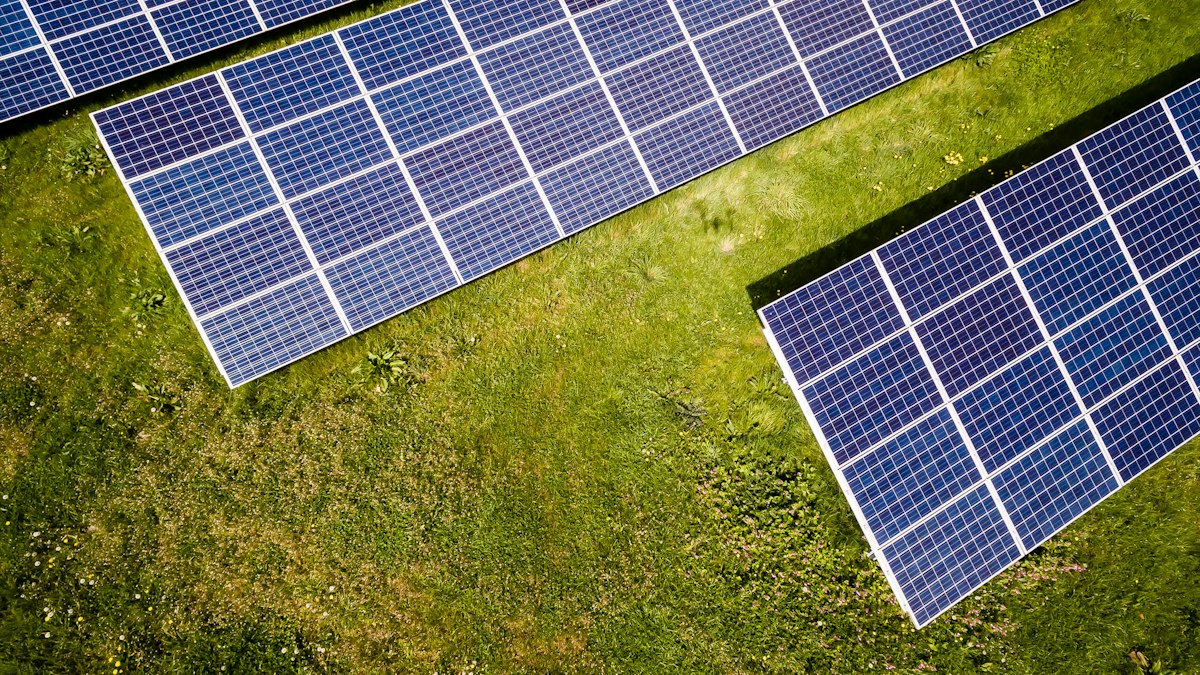
Solar panels act as sails. In high-wind zones, the combination of roof surface and solar array must be engineered together. Stone coated metal roofing systems are rated to 120–150 mph (190–240 km/h) wind resistance — with proper installation.
Critically, the mechanical interlocking system used in SKW and similar stone coated metal tiles provides multiple points of positive connection per tile, unlike clay tiles that rely primarily on their own weight. This means solar mounting anchors can be placed with confidence that the surrounding roof material will remain intact even under extreme uplift forces.
In cyclone-prone regions of Queensland (Australia), the Philippines, and South Florida, insurance underwriters are increasingly requiring Class 4 impact resistance and high-wind-rated roofing as a prerequisite for solar installation financing. Stone coated metal tiles meet these requirements.
5. Waterproofing Integrity Around Penetrations
Every solar mounting bracket that penetrates the roof surface is a potential leak point. This is where roofing material choice becomes critical.
Stone coated metal tiles allow for:
- Flashing integration at the metal substrate level — not just at the surface coating
- Sealant adhesion to clean metal surfaces with long-term reliability
- Easy inspection and re-sealing — the textured stone coating doesn’t obscure penetration points
- Resistance to cracking around fasteners during thermal expansion cycles
Clay and concrete tiles, by contrast, frequently crack during solar installation, creating immediate waterproofing challenges that add cost and liability.
6. Non-Combustibility Class A Fire Rating
Solar installations bring electrical components, wiring, and potential arc fault scenarios to the rooftop. Many jurisdictions now require Class A (non-combustible) roofing materials in combination with solar installations, particularly in wildfire-prone regions of California, Colorado, and Australia.
Stone coated metal roofing is inherently Class A fire rated — steel doesn’t burn. This eliminates a significant permitting hurdle in many jurisdictions and reduces insurance premiums when solar is added.
7. Long-Term Maintenance Cost Reduction
Solar panel maintenance requires technicians to walk on the roof. Asphalt shingles crack and scuff under foot traffic. Clay tiles shatter. Concrete tiles crack and discolor.
Stone coated metal tiles are designed to handle foot traffic during installation and maintenance. Their steel substrate absorbs impact; the stone coating provides grip. Routine solar panel cleaning, inverter service, and wiring inspections can be conducted without roof damage — a material advantage that compounds over decades.
Installation Best Practices: Solar Mounting on Stone Coated Metal Roofs
Racking System Selection
The two dominant solar racking approaches for stone coated metal roofs are:
| Mounting Type | Lo mejor para | Key Consideration |
|---|---|---|
| Through-fastener with flashing | Residential, standard loads | Most common; requires correct butyl sealant type for metal |
| Clamp-based (no penetration) | Standing seam profiles; some tile systems | Premium cost but zero waterproofing risk |
| Integrated mounting rail | New construction; commercial scale | Best aesthetics and structural integration; plan during roof design |
Structural Considerations
For distributed residential solar (typically 5–15kW systems), most stone coated metal roofs installed over properly engineered rafters or purlins require no structural upgrades. For large commercial arrays exceeding 50kW on sloped metal roofing, a structural engineer review is recommended.
Electrical Grounding
One underappreciated advantage: the steel substrate in stone coated metal tiles provides a natural grounding plane. Solar installers can often simplify grounding runs, reducing labor and materials cost.
Market Opportunity for Distributors: The Solar-Roofing Bundle
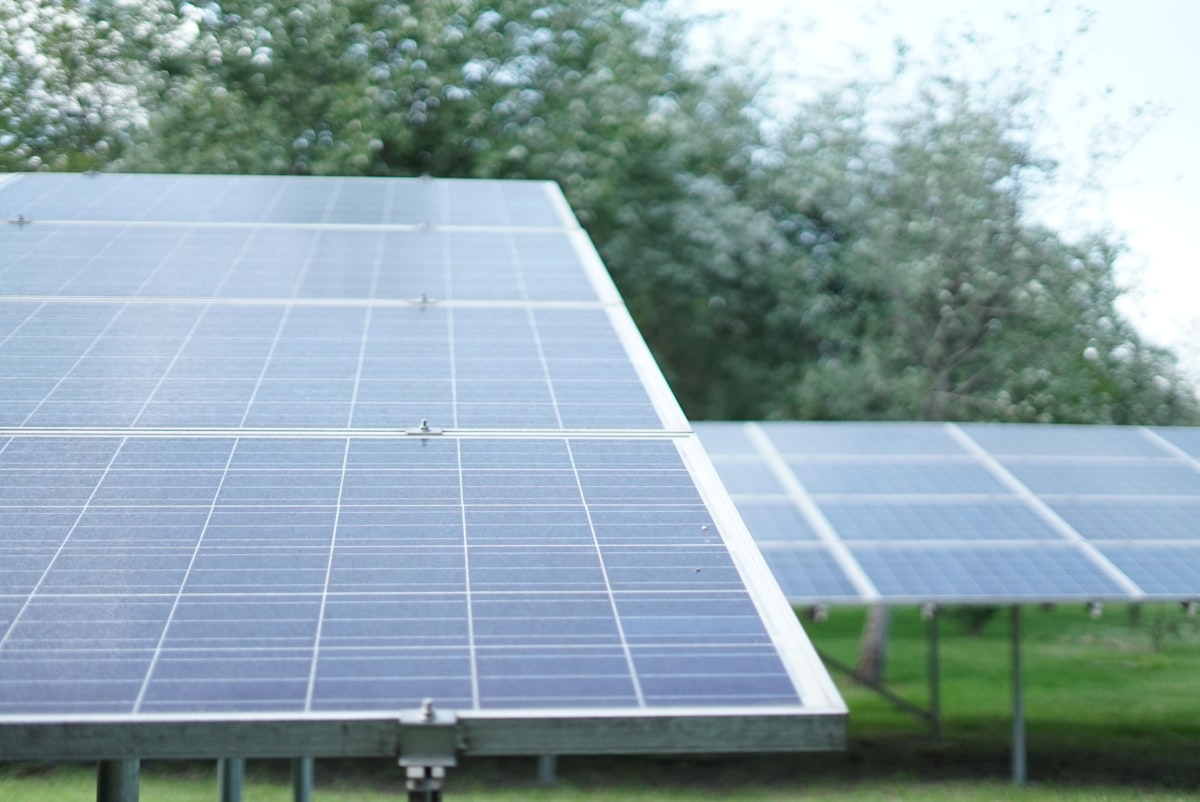
For B2B distributors and roofing contractors, the convergence of solar and premium roofing creates a significant upsell opportunity.
The Value Proposition Stack
When you sell a stone coated metal roof as the foundation for solar, you’re delivering:
- Long-term peace of mind — No mid-solar-lifecycle roof replacement
- Insurance premium reduction — Class A fire, Class 4 impact (typically 15–30% savings)
- Energy cost reduction — Solar generation plus metal roof’s thermal efficiency
- Property value increase — Both solar and premium roofing contribute independently
- Reduced total installed cost — One mobilization for both systems
SKW’s Competitive Advantage in the Solar Market
As a DECRA-equivalent stone coated metal tile at 40–50% lower cost, SKW enables distributors and contractors to offer the solar-ready premium roof at price points that compete with asphalt shingles when the combined system cost (roof + solar + future maintenance) is calculated over 25 years.
| Mercado | Solar Adoption Rate | Premium Roofing Demand Driver | SKW Positioning |
|---|---|---|---|
| Australia | ~35% of homes (world-leading) | Solar + cyclone resistance | Direct DECRA replacement |
| South Africa | Rapid growth (load-shedding driven) | Backup power + hail resistance | Cost-competitive premium |
| USA (Sun Belt) | California/Texas/Florida leader | Solar mandate + wildfire codes | Class A + solar-ready |
| Sudeste asiático | Emerging; government incentives | Typhoon resistance + heat efficiency | Established Asian distribution |
ROI Calculation: Stone Coated Metal Roof as Solar Investment Enhancer
Consider a typical residential installation in a sun-belt market (2,000 sq ft home, 8kW solar system):
Scenario A: Asphalt Shingles + Solar
- Roof cost: $8,000–$12,000
- Solar system: $22,000–$28,000
- Roof replacement at year 17 (during solar life): $10,000–$15,000 + $5,000–$8,000 solar removal/reinstallation
- Total 30-year system cost: $45,000–$63,000
Scenario B: Stone Coated Metal + Solar
- Roof cost: $18,000–$25,000
- Solar system: $22,000–$28,000
- No mid-life roof replacement needed
- Insurance savings (15–25% annual): ~$6,000–$12,000 over 30 years
- Enhanced solar output (cooler operating temp): ~2–5% more energy over system life
- Total 30-year system cost: $34,000–$53,000 (net of savings)
The premium roof pays for itself — not as a roof, but as a solar investment infrastructure.
Green Building Certifications: Stone Coated Metal + Solar
For commercial and institutional projects pursuing LEED v4, Green Star, or BREEAM certification, the combination of stone coated metal roofing and solar provides multiple credit pathway contributions:
- Energy & Atmosphere (EA) — Solar generation directly contributes to renewable energy credits
- Materials & Resources (MR) — Recycled steel content in metal tiles (typically 25–30% recycled content); fully recyclable at end of life
- Sustainable Sites (SS) — Reflective roof surfaces contribute to urban heat island reduction credits
- Innovation Credits — Demonstrable life-cycle analysis advantages of the combined system
Common Questions from Contractors and Distributors
Does solar void the stone coated metal roof warranty?
With properly installed penetration flashings using manufacturer-approved sealants, most stone coated metal roof warranties explicitly permit solar installation. Always verify with the specific manufacturer — SKW documentation covers approved mounting methods. Improper installation by non-approved methods may affect warranty coverage.
What’s the minimum roof pitch for solar on stone coated metal?
Stone coated metal tiles are specified for pitches from 2:12 to 12:12 (for standard profiles). For solar optimization, 15°–35° tilt is ideal in most latitudes. The two requirements often align naturally on residential roofing in 25°–40° latitude markets.
Can existing stone coated metal roofs accept solar retrofits?
Yes, provided the roof was installed correctly and is in good condition. Unlike asphalt shingles (where age and condition are major concerns) or clay tiles (brittleness risk), stone coated metal tiles remain structurally sound for solar installation throughout their lifespan.
How does snow loading interact with solar + metal roofs?
Stone coated metal’s smooth surface profile allows snow to slide naturally, reducing snow load accumulation. When solar panels are installed flush to the roof, snow management changes — panels can create snow dams at their lower edge. Racking systems with thermal boots or panel heating elements are available for heavy-snow markets.
What about building-integrated photovoltaics (BIPV)?
Emerging BIPV products that integrate solar cells directly into roofing tiles represent an interesting future direction. For now, standard stone coated metal + conventional PV panels remains the proven, cost-effective, and field-tested solution. BIPV products are still 3–5x the cost of equivalent capacity conventional solar.
Conclusion: Why Solar-Ready Roofing Is the Standard Specification for 2026 and Beyond
The era of treating roofing and solar as separate decisions is ending. Forward-thinking distributors, contractors, and building owners are recognizing that the roof is the solar platform — and its material specification determines the long-term economics of the entire energy investment.
Stone coated metal roofing, exemplified by SKW’s product line, delivers the matched service life, structural compatibility, thermal performance synergy, and fire resistance that make it the optimal solar-ready roofing solution across all major markets.
For B2B distributors, this creates a compelling dual narrative: sell the premium roof on its standalone merits, and seal the deal by positioning it as the only logical foundation for the solar investment your customer is planning to make anyway.
Ready to add stone coated metal roofing to your product portfolio? Contact SKW’s international distribution team to discuss pricing, minimum order quantities, and technical support for your market.
About SKW Stone Coated Metal Roofing: SKW manufactures premium stone coated steel roofing tiles engineered to compete directly with DECRA and other international standards at significantly reduced cost. With distribution across 40+ countries, SKW provides B2B distributors with the product quality, technical documentation, and competitive margins needed to serve demanding residential and commercial roofing markets. Visit skwroof.com para saber más.